
Understanding the Key Differences Between Cadaveric and Living Donor Liver Transplants
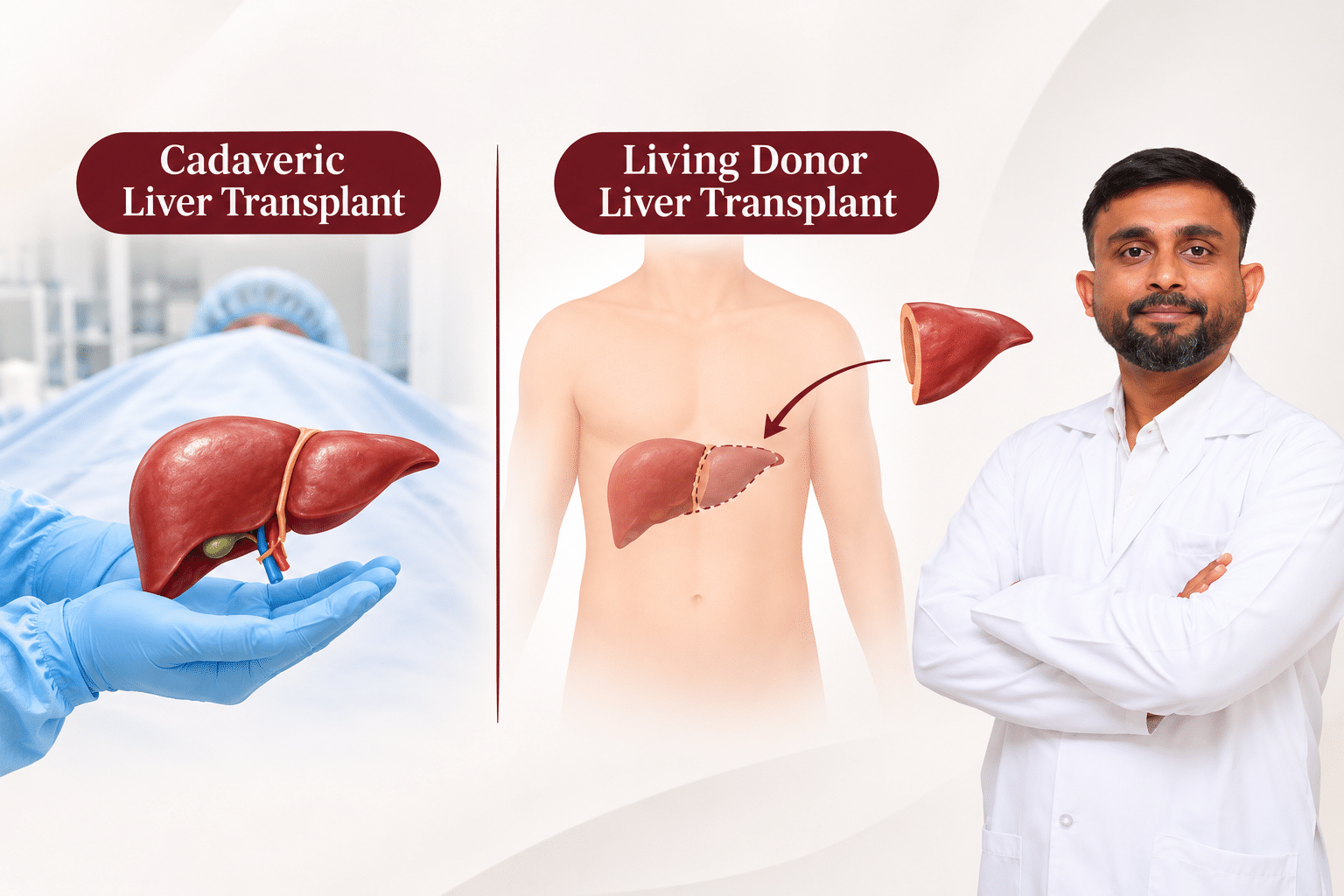
A liver transplant is a surgical procedure in which a diseased or damaged liver is removed and replaced with a healthy liver from a donor. For patients with severe liver disease, transplantation can be an important treatment option when other medical treatments are no longer sufficient.
When a patient or their family is considering a liver transplant, two primary options are generally discussed: Deceased Donor Liver Transplantation (DDLT), also known as Cadaveric Liver Transplantation, and Living Donor Liver Transplantation (LDLT).
Both procedures involve replacing the damaged liver with a healthy donor liver. However, they differ in terms of donor source, the portion of the liver transplanted, surgery planning, and certain risks. Understanding these differences can help patients and their families make informed decisions about the available treatment options.
Liver transplantation is a major surgical procedure recommended for patients with severe liver conditions when treatments such as medications, endoscopic procedures, or IV therapy are no longer effective.
According to Dr. Ankur Vagadiya, choosing between DDLT and LDLT depends on several factors, including the patient’s medical condition, availability of a suitable donor, and overall transplant suitability. Understanding the differences between these two procedures helps patients and their families discuss available options with their treating doctor and make informed decisions based on medical advice.
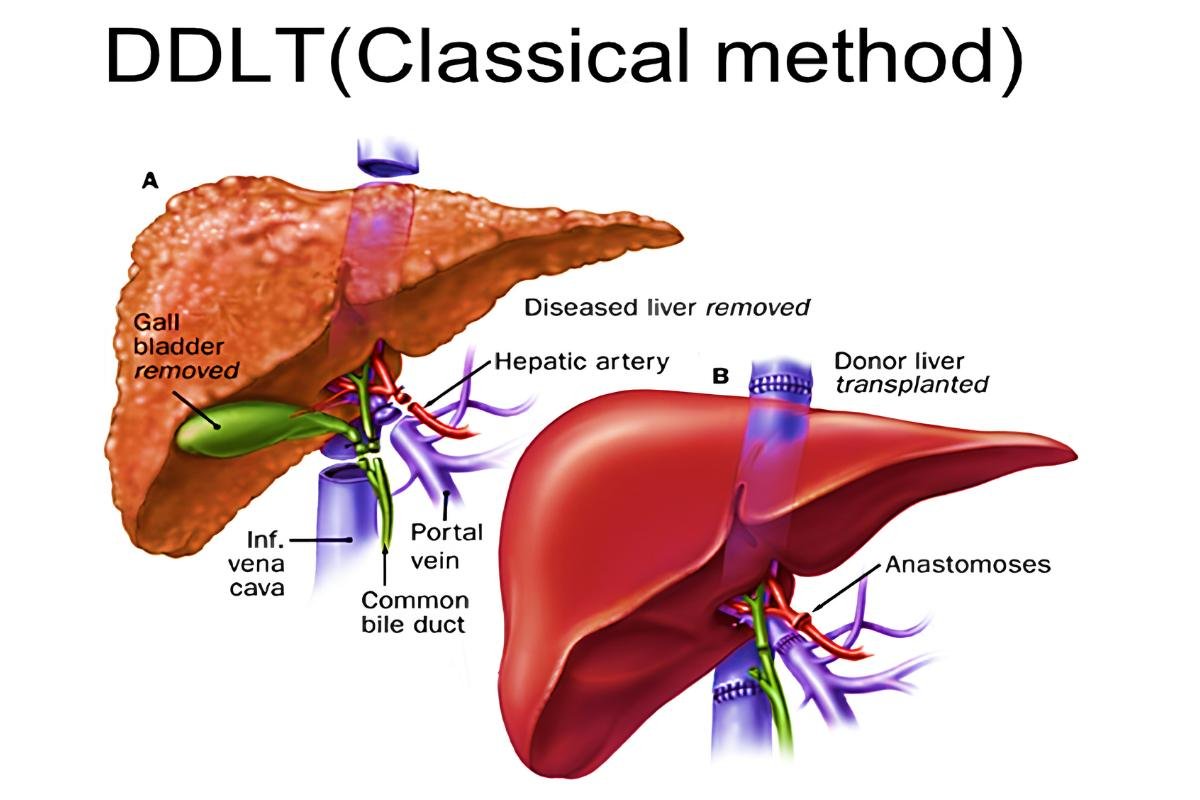
In deceased donor liver transplantation (DDLT), the liver is obtained from a brain-dead donor whose heart is still functioning. After obtaining consent from the donor’s family and completing the necessary medical assessments, the donor liver is retrieved and transplanted into a patient suffering from severe or end-stage liver disease. In this procedure, the entire liver from the deceased donor is generally transplanted into the recipient.
Key Points:
- Donor Source: A deceased brain-dead donor.
- Liver Used: The entire donor liver is transplanted.
- Timing: The transplant depends on the availability of a suitable deceased donor organ. Patients may need to wait until an appropriate liver becomes available.
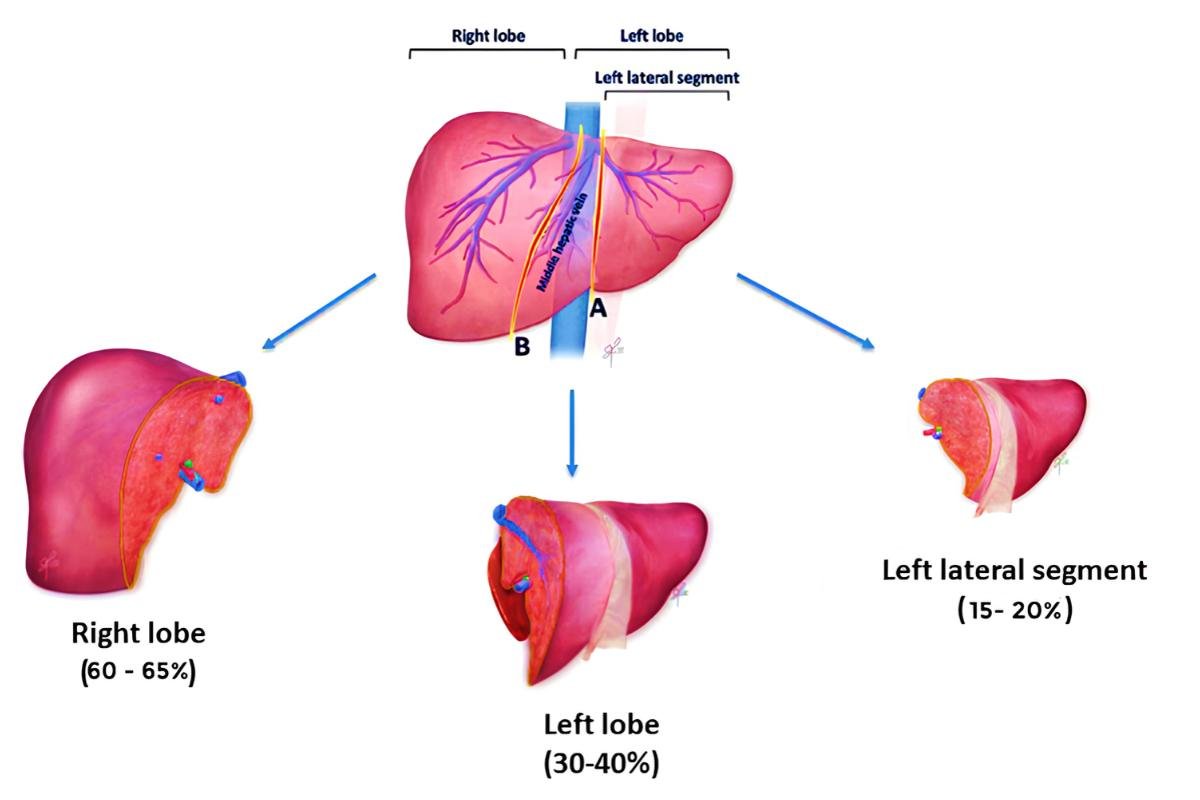
Living Donor Liver Transplantation (LDLT) is a procedure in which a healthy living individual donates a portion of their liver to someone who requires a transplant. The donor is commonly a family member, spouse, or another eligible individual. After a detailed medical and psychological evaluation, a suitable portion of the donor’s liver, usually the right or left lobe, is surgically removed and transplanted into the recipient. Both the remaining liver in the donor and the transplanted portion in the recipient have the ability to regenerate and grow over time.
Key Points:
- Donor Source: A medically suitable living donor, often a family member.
- Liver Used: A portion of the liver, usually the right or left lobe, depending on the recipient’s requirements.
- Timing: The procedure can be planned in advance once the donor and recipient complete the required evaluations and approvals. This can help reduce the waiting period associated with deceased donor availability.
Although both DDLT and LDLT are performed to replace a diseased liver with a healthy donor liver, there are some important differences between these procedures.
Aspect | DDLT | LDLT |
Donor Source | Deceased brain-dead donor | Living, medically suitable donor |
Liver Size | Usually the entire donor liver is transplanted | Only a portion of the donor liver is transplanted |
Timing | Depends on deceased donor organ availability | Can be planned after donor and recipient evaluation |
Surgical Procedure | Involves transplantation of the whole donor liver | Requires removal and transplantation of a portion of the donor’s liver; technically more complex |
Both liver transplant procedures have their own benefits and challenges. Understanding these factors can help patients and families discuss suitable treatment options with their transplant team.
Advantages of LDLT
- Planned Transplantation: The procedure can be scheduled after the donor and recipient complete their medical evaluations, potentially reducing the waiting period.
- Reduced Waiting Time: LDLT provides an alternative for patients who may otherwise face long waiting periods for a deceased donor liver.
- Option for Selected Liver Cancer Patients: Patients with certain types of liver cancer and relatively low MELD scores may benefit from LDLT, depending on their medical condition and transplant eligibility.
Limitations and Risks
- Complex Surgical Procedure: LDLT requires detailed surgical planning and technical expertise. It may involve longer operating time and a higher risk of biliary complications.
- Living Donor Risks: The donor undergoes major surgery and may experience complications such as bleeding, infection, or bile leakage, despite being medically evaluated before donation.
Advantages of DDLT
- No Living Donor Surgery: A family member or another living individual does not need to undergo surgery to donate a portion of their liver.
Limitations and Risks
- Waiting Period: The availability of a suitable deceased donor liver can be uncertain. Patients may experience disease progression while waiting for transplantation.
- Higher Costs: DDLT is generally more expensive compared to LDLT.
- Risk of Infection Transmission: There is a possibility of infection transmission from the donor organ, making appropriate donor screening and testing essential.
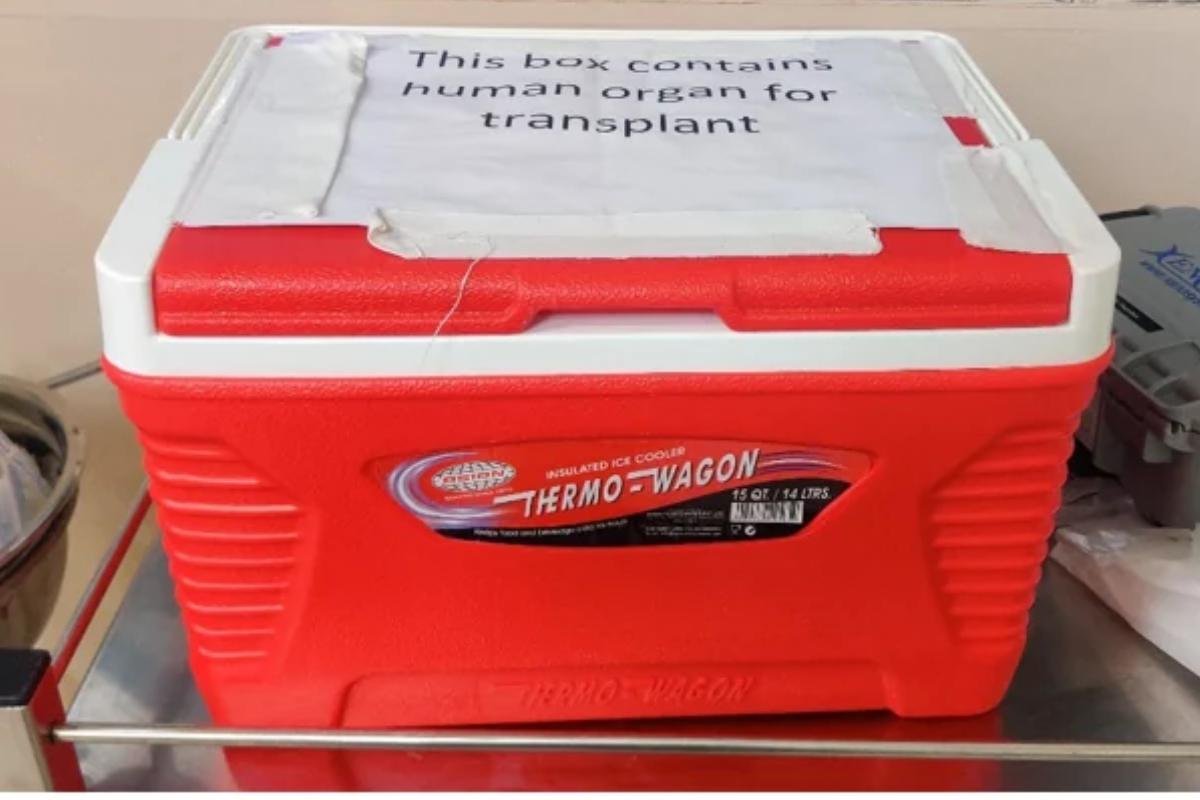
Organ transportation is an important part of the liver transplantation process. Once a donor liver is retrieved, it must be preserved under carefully controlled conditions until it reaches the transplant centre.
Dr. Ankur Vagadiya highlights the importance of proper organ preservation during transportation. Insulated medical coolers help maintain the required temperature throughout the process. The donor liver is placed in specialised sterile packaging and kept under controlled cold-storage conditions using ice or appropriate cooling materials.
Maintaining the correct temperature helps preserve the organ’s viability and function during transportation. Proper handling, preservation, and timely transportation are essential to ensure that the donor liver remains suitable for transplantation.
Both Deceased Donor Liver Transplantation (DDLT) and Living Donor Liver Transplantation (LDLT) are important treatment options for patients with severe liver disease. However, each procedure has its own advantages, limitations, and considerations.
DDLT does not require a living family member to undergo surgery, but the procedure depends on the availability of a suitable deceased donor liver. On the other hand, LDLT allows transplantation to be planned in advance and may reduce waiting time, but it involves a more technically complex procedure and surgical risks for both the donor and recipient.
The choice between these two approaches depends on the patient’s condition, donor availability, medical suitability, and the transplant team’s recommendation. A detailed evaluation by an experienced liver transplant team is essential to determine the most appropriate approach for each patient.