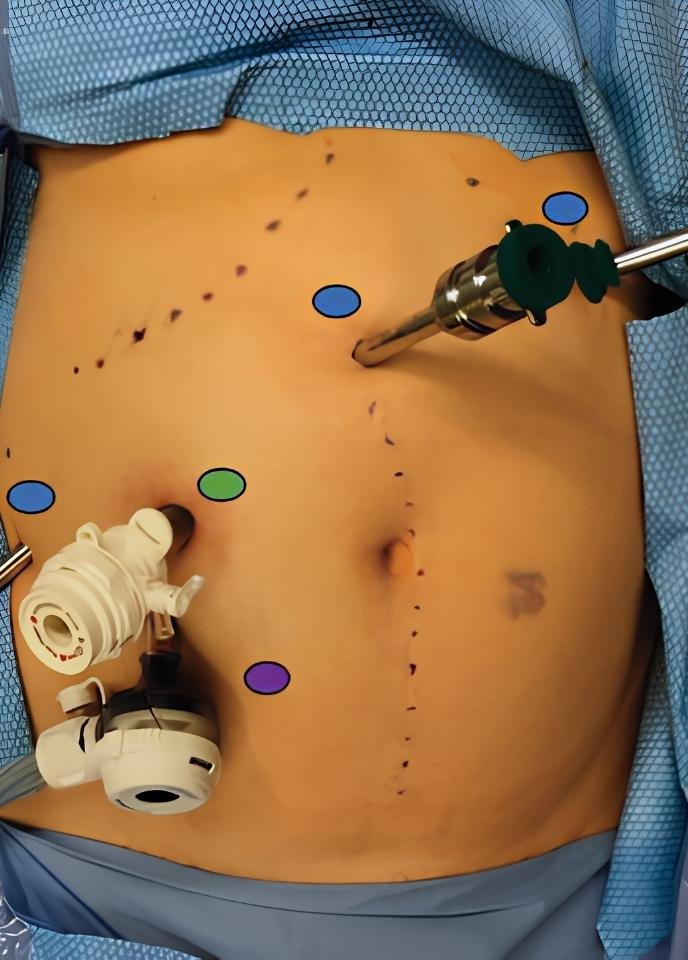

Liver Resection for Liver Cancer in Ahmedabad
Understanding Liver Resection for Liver Cancer
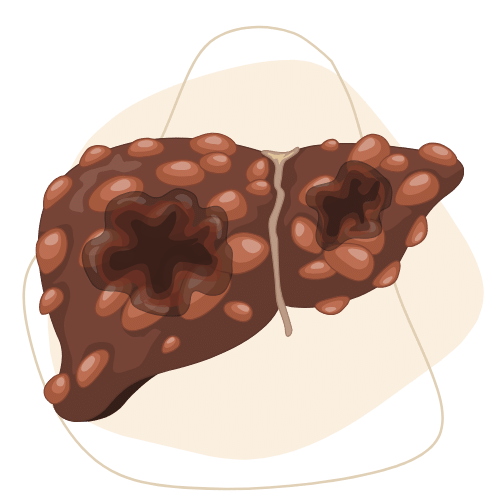
Liver resection is a surgical procedure in which the part of the liver containing a tumour is removed while preserving as much healthy liver tissue as possible. It may be recommended for selected patients with primary liver cancer, including hepatocellular carcinoma (HCC), or certain cancers that have spread to the liver.
The suitability of Liver Resection for Liver Cancer depends on tumour size, number and location, the condition of the remaining liver, and the patient’s overall health. Detailed assessment helps determine whether the cancer can be removed safely and whether enough functioning liver tissue will remain after surgery.

Tumour Location & Extent
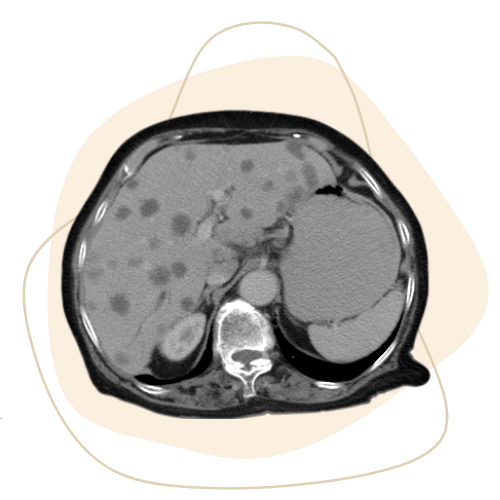
Imaging helps establish the tumour’s position, size and relationship with nearby structures.

Remaining Liver Function
Liver function and the volume of healthy tissue that will remain are assessed before surgery.

Surgical Feasibility
The team evaluates whether the tumour can be removed while preserving adequate liver function.
Gujarat’s First Board-Certified (NMC) Hepatobiliary & Liver Transplant Surgeon
Dr. Ankur Vagadiya is a Consultant in Gastro Surgery and Liver Transplantation with 12+ years of experience in hepatobiliary surgery and liver transplantation. His specialist training at the Institute of Liver and Biliary Sciences (ILBS), New Delhi, included complex liver surgery, major liver resections and surgery for hepatobiliary cancers.
His clinical background includes experience in major hepatobiliary procedures and liver transplantation. This helps inform the assessment of patients with liver cancer, including whether removal of the tumour, transplantation or another treatment approach should be considered.
SIGNS
When Is Liver Resection for Liver Cancer Considered?
Liver resection may be considered when a tumour can be removed completely and the remaining liver is expected to function adequately after surgery. The decision depends on the cancer type, tumour distribution, liver health and whether the disease can be managed through surgery.

Localised Hepatocellular Carcinoma

Selected Liver Metastases
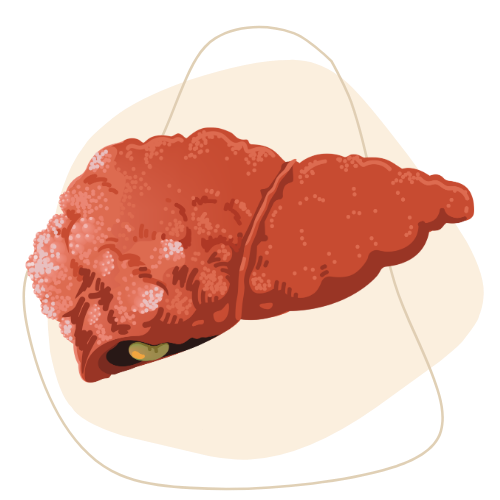
Tumours Confined to a Resectable Area
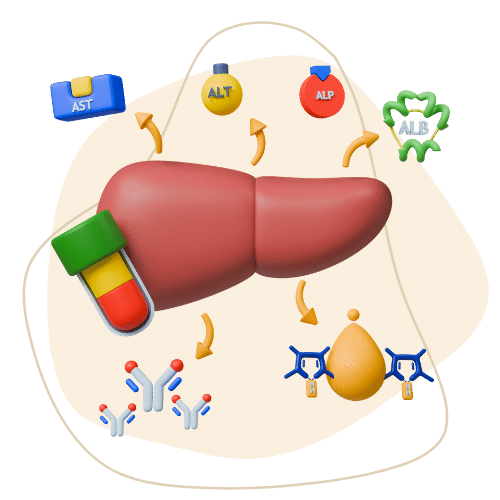
Preserved Liver Function
Suitable Blood Vessel Anatomy
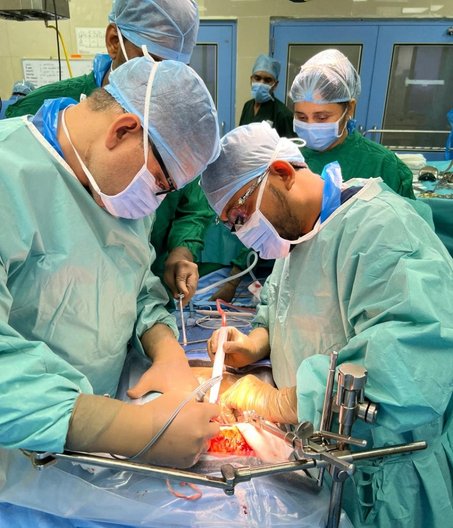
Liver resection involves removing the affected portion of the liver while preserving enough functioning tissue to support the body. The extent of surgery depends on the tumour’s location, its relationship with blood vessels and bile ducts, and the condition of the surrounding liver.
The process generally includes:
- Preoperative Imaging: Mapping the tumour and its relationship with important liver structures.
- Liver Function Assessment: Evaluating liver health and the expected function of the remaining tissue.
- Surgical Planning: Determining the portion of liver to be removed and the appropriate operative approach.
- Tumour Removal: Removing the affected liver tissue while aiming for complete cancer removal.
- Bleeding & Bile Leak Monitoring: Watching for complications related to liver surgery.
- Postoperative Recovery: Monitoring liver function, wound healing and overall progress.
The amount of liver removed varies between patients. The remaining liver can regenerate over time, but recovery depends on the extent of surgery and the health of the liver before the procedure.
Why Liver Resection Can Be an Important Option
For suitable patients, liver resection can remove a liver tumour while preserving the remaining organ. It may be considered when the cancer is confined to an area that can be safely removed and the remaining liver has enough functional capacity.
The benefits and risks vary according to the type of cancer, liver function, tumour location and extent of surgery. Other options, including transplantation, ablation, embolisation or systemic treatment, may be considered when resection is not appropriate. The treatment plan should reflect the patient’s complete clinical assessment.
The Journey From Diagnosis to Recovery
Each stage helps determine whether surgery is suitable and how it should be planned.
1
Tumour Assessment
Defining tumour extent and location through investigations.
2
Liver Function Evaluation
Assessing liver health and remaining functional capacity.
3
Surgical Planning
Selecting the appropriate resection and operative approach.
4
Surgery & Recovery
Removing the tumour and monitoring liver function.
12+
Years of
Experience
Why Choose Dr. Ankur for Liver Resection for Liver Cancer?
Dr. Ankur Vagadiya has specialist training in hepatobiliary surgery and liver transplantation, including major liver resections and surgery for liver and gallbladder cancers. His experience across complex liver procedures supports the surgical assessment of patients with liver tumours.
Planning liver resection requires attention to tumour clearance, the anatomy of blood vessels and bile ducts, and the ability of the remaining liver to function after surgery. These factors are central to determining the suitability and extent of a procedure.

700+ Major Hepatobiliary Surgeries
Experience across complex liver and biliary procedures.
Major Liver Resection Experience
Training in surgery for selected liver tumours.

Hepatobiliary Cancer Surgery
Experience in procedures for liver and biliary malignancies.

Liver Transplantation Experience
Background in both living and deceased donor transplantation.

Complex Surgical Planning
Experience assessing challenging liver and biliary conditions.
Frequently Asked Questions
How much liver can be removed during a resection?
The amount depends on the tumour’s size and location, the health of the liver and how much functioning tissue must remain. Surgeons use imaging and liver function assessments to plan a safe extent of removal.
Can liver resection be performed laparoscopically?
Some liver resections can be performed using minimally invasive techniques, while others require open surgery. The choice depends on tumour location, complexity, the patient’s condition and the surgical team’s assessment.
What is the difference between a minor and major liver resection?
A minor resection removes a smaller portion of the liver, whereas a major resection removes a larger section. The classification and approach depend on the specific liver segments involved and the planned operation.
Will liver function return to normal after surgery?
The remaining liver can regenerate, but the extent and speed of recovery vary. Pre-existing liver disease, the amount removed and postoperative complications can influence how well liver function recovers.
What should patients bring to a surgery consultation?
Bring previous scans, biopsy or pathology reports if available, blood test results, medication details and records of any cancer treatment already received. These help the surgeon review the diagnosis and discuss possible options.
Can further cancer treatment be needed after liver resection?
Yes. Depending on the cancer type, pathology findings and risk of recurrence, the treating team may recommend surveillance or additional oncology treatment. The decision is made after reviewing the surgical findings and final pathology report.
Consult Dr. Ankur Vagadiya for Liver Resection for Liver Cancer in Ahmedabad
If you or a family member has been diagnosed with liver cancer, a specialist surgical evaluation can help determine whether the tumour can be removed safely and which treatment options may be appropriate.