Surgery for Portal Hypertension in Ahmedabad
Understanding Surgery for Portal Hypertension
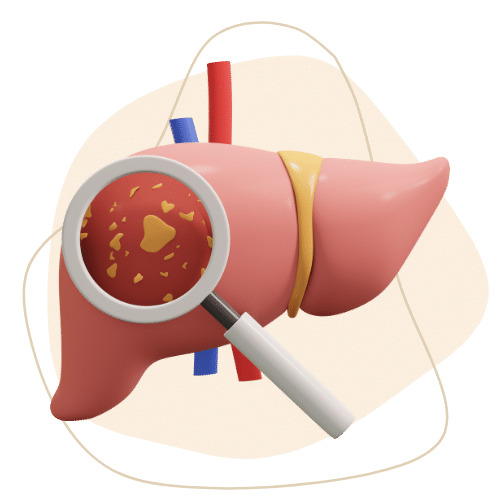
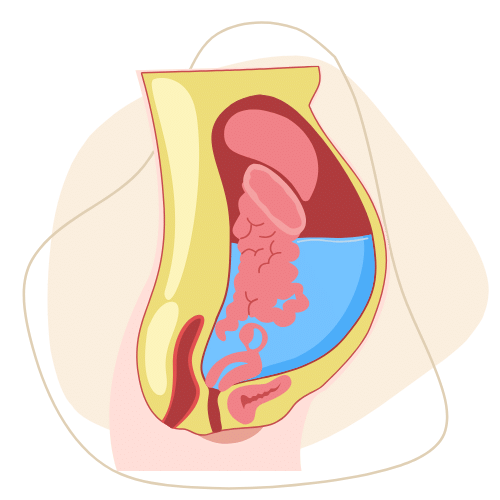
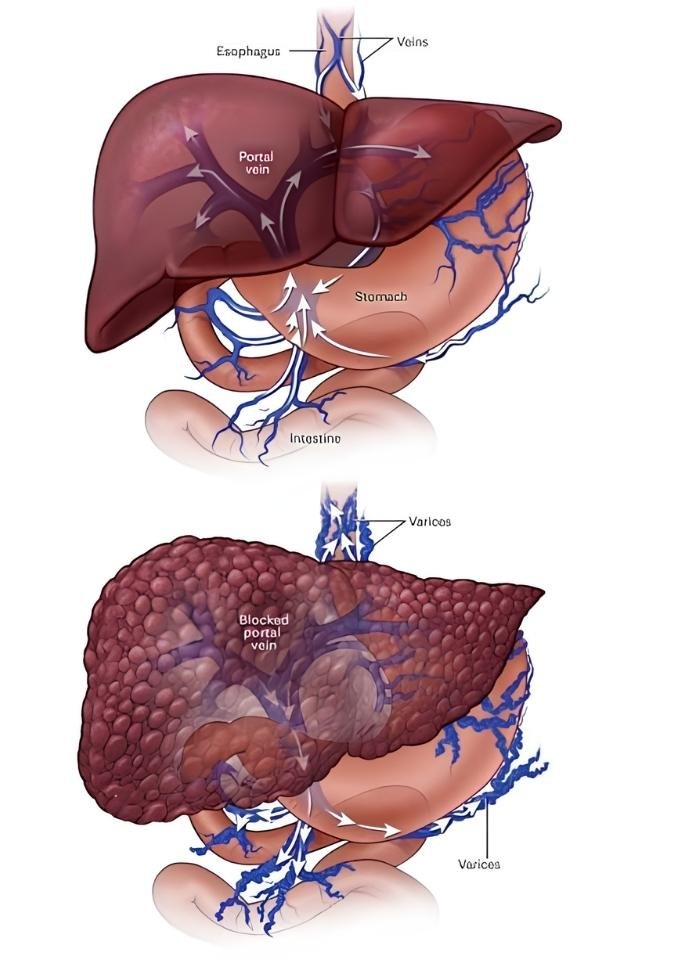
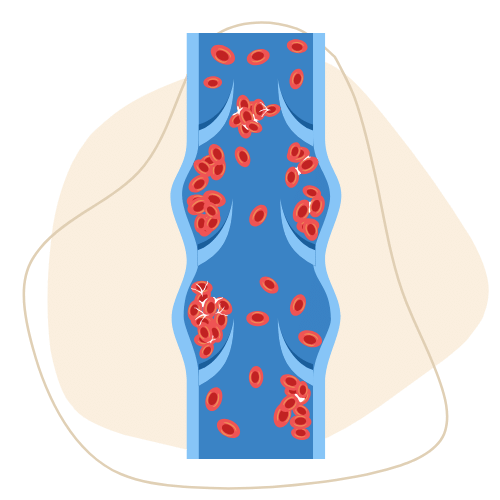
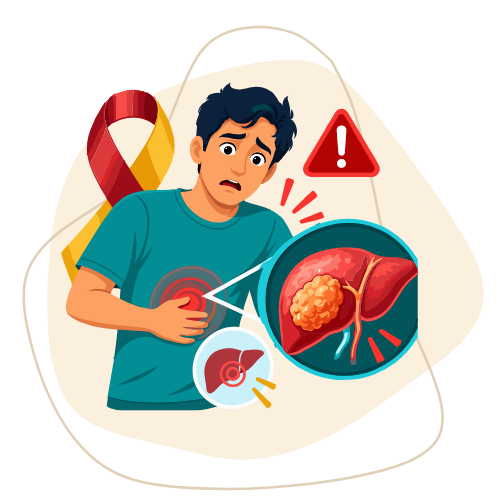
Portal hypertension refers to increased pressure in the portal vein, which carries blood from the digestive organs to the liver. It commonly develops due to cirrhosis, although blood clots and other liver or vascular conditions can also cause it. As pressure increases, blood may flow through alternative veins, leading to complications such as enlarged oesophageal or stomach veins, internal bleeding and fluid accumulation in the abdomen.
Surgery for Portal Hypertension may be considered in selected patients when complications cannot be adequately controlled through medication, endoscopic procedures or other treatments. The appropriate approach depends on the underlying cause, liver function, bleeding risk and the patient’s overall condition.

Pressure & Blood Flow Assessment
Investigations help identify the cause of portal hypertension and assess blood flow through the liver.

Complication Evaluation
The team evaluates varices, bleeding episodes, ascites and other related complications.

Treatment Planning
Liver function and previous treatment response guide the choice of surgical or other interventions.
Gujarat’s First Board-Certified (NMC) Hepatobiliary & Liver Transplant Surgeon
Dr. Ankur Vagadiya is a Consultant in Gastro Surgery and Liver Transplantation with 12+ years of experience in hepatobiliary surgery and complex liver conditions. He completed his super-specialty training in hepatobiliary and liver transplantation at the Institute of Liver and Biliary Sciences (ILBS), New Delhi.
His clinical background includes liver transplantation, major hepatobiliary surgery and the assessment of advanced liver disease. This experience is relevant when evaluating patients with portal hypertension and determining whether an intervention, continued medical management or liver transplant assessment may be appropriate.
SIGNS
When Is Surgery for Portal Hypertension Considered?
Interventional or surgical treatment may be considered when portal hypertension causes serious complications that remain difficult to manage with standard treatment. The decision depends on the source of increased pressure, liver function, the severity of complications and whether the patient may benefit from a procedure such as a shunt or another targeted intervention.

Recurrent Variceal Bleeding

Difficult-to-Control Ascites
Portal Vein Obstruction
Complications Despite Standard Treatment
Selected Patients Requiring Shunt Procedures
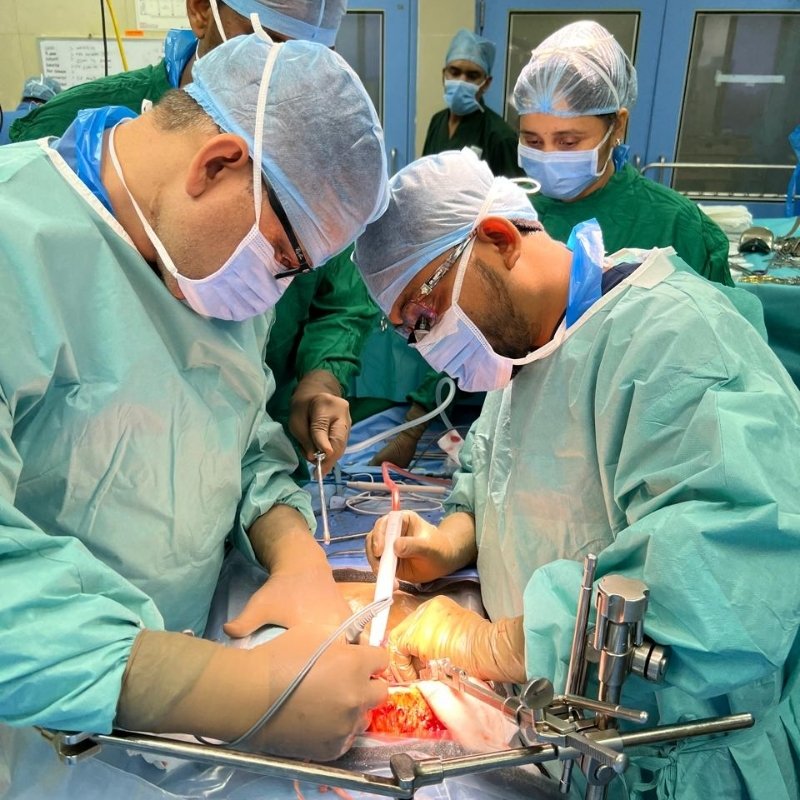
Treatment aims to reduce the risk of complications, control bleeding or improve blood flow, depending on the cause of portal hypertension. The specific procedure varies because portal hypertension may result from different liver and vascular conditions.
Management may include:
- Vascular Assessment: Evaluating portal blood flow and identifying the cause of increased pressure.
- Variceal Treatment: Using endoscopic procedures and medication to reduce the risk of bleeding.
- Shunt Procedures: Redirecting blood flow in selected patients when clinically appropriate.
- Portal Vein Intervention: Considering treatment for selected cases involving portal vein obstruction.
- TIPS Assessment: Evaluating whether a transjugular intrahepatic portosystemic shunt may help control complications.
- Post-Procedure Monitoring: Monitoring liver function, bleeding risk and signs of further complications.
The choice between surgery, endoscopic treatment, radiological intervention and liver transplantation depends on the patient’s diagnosis and response to earlier treatment.
Why the Right Treatment Approach Matters
Portal hypertension can affect several organs and systems, particularly when it develops alongside advanced cirrhosis. Treatment must address the complication while accounting for liver function, blood flow and the risk of worsening liver-related problems.
For some patients, endoscopic treatment or TIPS may be more appropriate than conventional surgery. Others with advanced liver disease may benefit from transplant evaluation. A careful assessment helps establish which intervention is likely to offer the greatest clinical benefit while managing the associated risks.
The Journey From Assessment to Treatment
Each stage helps determine the cause of portal hypertension and the most appropriate intervention.
1
Portal Pressure Assessment
Evaluating blood flow and the underlying cause.
2
Complication Evaluation
Assessing bleeding, ascites and liver function.
3
Treatment Planning
Selecting medical, endoscopic or interventional options.
4
Procedure & Follow-Up
Monitoring treatment response and liver health.
12+
Years of
Experience
Why Choose Dr. Ankur for Surgery for Portal Hypertension?
Dr. Ankur Vagadiya has specialist training in hepatobiliary surgery and liver transplantation, with experience in complex liver conditions and advanced surgical management. His background supports the assessment of patients with portal hypertension, particularly when complications coexist with cirrhosis or other significant liver disease.
Managing portal hypertension requires decisions based on the cause of increased pressure, the severity of complications and the patient’s remaining liver function. A specialist evaluation helps determine whether a surgical procedure, endoscopic or radiological intervention, or transplant assessment should be considered.

700+ major hepatobiliary surgeries
Extensive exposure to complex liver procedures.

Liver Transplantation Experience
Training across living and deceased donor transplantation.

Advanced Liver Disease Assessment
Experience evaluating complex liver conditions.
Complex Surgical Planning
Training in challenging hepatobiliary procedures.

Transplant-Related Clinical Experience
Background in transplant evaluation and ongoing care.
Frequently Asked Questions
Can portal hypertension occur without cirrhosis?
Yes. Portal hypertension can also develop due to portal vein thrombosis and certain other liver or vascular conditions. Investigations help identify the cause and guide treatment.
Can portal hypertension be reversed?
The outcome depends on the underlying cause. Some contributing conditions can be treated, while portal hypertension associated with advanced cirrhosis may require long-term management even when complications improve.
Does portal hypertension always cause symptoms?
No. Some people may have no noticeable symptoms until a complication develops. Portal hypertension may be identified during investigations for liver disease or through findings such as enlarged veins in the oesophagus.
What is the difference between TIPS and surgical shunt surgery?
TIPS creates a channel within the liver using a catheter-based procedure to redirect blood flow and reduce portal pressure. Surgical shunt procedures use an operation to create an alternative route for blood flow. Suitability depends on liver function, anatomy and the clinical circumstances.
Can portal hypertension affect kidney function?
Yes. Advanced liver disease and portal hypertension can affect circulation and kidney function, particularly in patients with severe complications. Kidney function is therefore an important part of clinical assessment and ongoing monitoring.
What follow-up is needed after treatment for portal hypertension?
Follow-up may include liver function tests, imaging, endoscopy and monitoring for recurrent bleeding, fluid accumulation or other complications. The schedule depends on the underlying condition and the treatment performed.
Consult Dr. Ankur Vagadiya for Portal Hypertension Treatment in Ahmedabad
Portal hypertension requires careful assessment of its cause, associated complications and the condition of the liver. A specialist consultation can help clarify which treatments may be appropriate and whether an interventional procedure or transplant evaluation is needed.