
Complex Abdominal Redo Surgery in Ahmedabad

Understanding Complex Abdominal Redo Surgery

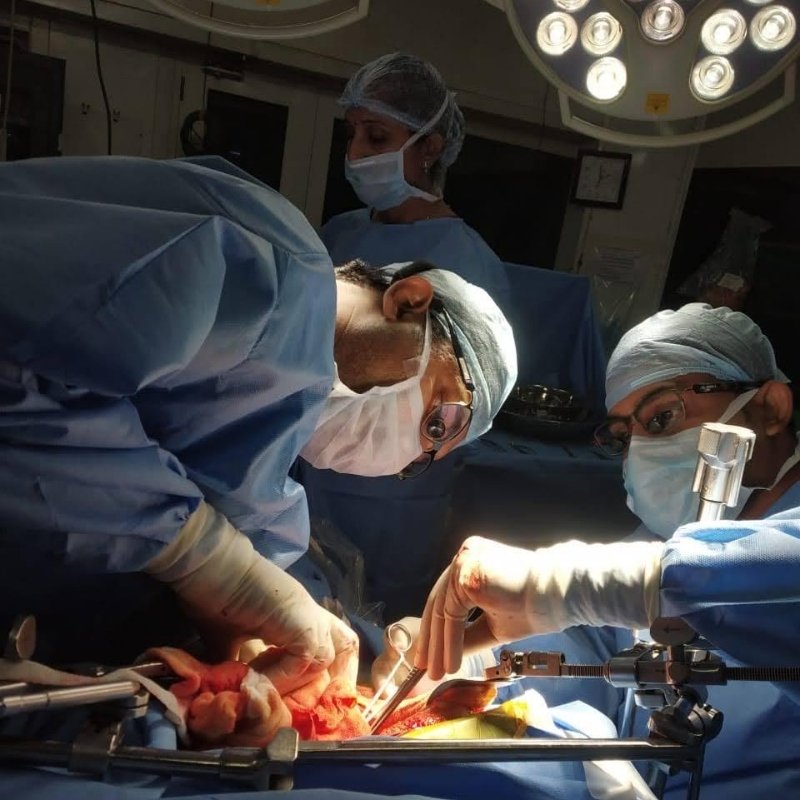
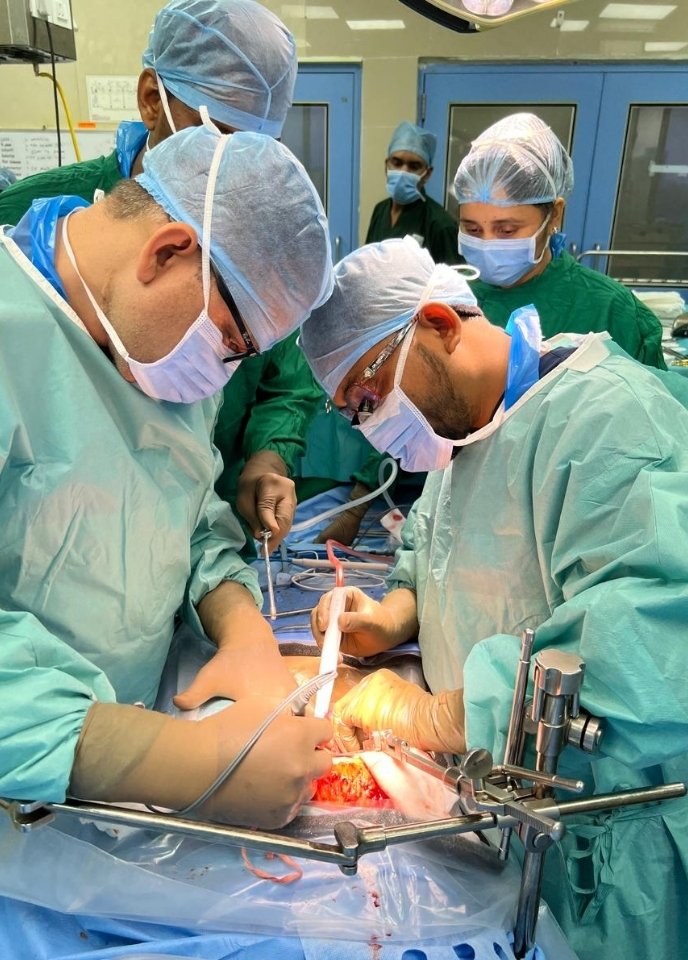
Some abdominal conditions require another operation after an earlier surgery has failed to resolve the problem, complications have developed, or the condition has returned. Complex abdominal redo surgery involves operating on an area that has already undergone surgery, where scar tissue, adhesions and altered anatomy may make the procedure more challenging.

For patients considering Complex Abdominal Redo Surgery, careful planning is essential. The surgeon reviews previous operations, current symptoms, imaging findings and the condition of the affected organs to understand the risks and determine whether another operation is necessary.

Previous Surgery Review

Earlier operation records and treatment outcomes are reviewed to understand the current problem.

Detailed Abdominal Assessment

Imaging and clinical evaluation help identify adhesions, altered anatomy and affected organs.

Advanced Surgical Planning

The surgical approach is planned according to the complexity of the condition and potential risks.

Gujarat’s First Board-Certified (NMC) Hepatobiliary & Liver Transplant Surgeon

Dr. Ankur Vagadiya is a Consultant in Gastro Surgery and Liver Transplantation with 12+ years of experience in complex abdominal and hepatobiliary surgery. He completed his super-specialty training at the Institute of Liver and Biliary Sciences (ILBS), New Delhi, where his training included major hepatobiliary procedures and complex surgical cases.

His experience includes 700+ major hepatobiliary surgeries, alongside living and deceased donor liver transplantation. His surgical background supports the assessment and planning required for challenging abdominal conditions, including cases where previous surgery has changed the anatomy or increased operative complexity.

SIGNS

When Is Complex Abdominal Redo Surgery Considered?

Complex abdominal redo surgery may be considered when a previous operation has not achieved the intended result, a condition has returned, or a new complication requires surgical treatment. The decision depends on the underlying problem, severity of symptoms, previous surgical findings, available treatment alternatives and the patient’s overall health.

What Complex Abdominal Redo Surgery Involves

Complex abdominal redo surgery requires a careful review of the previous procedure and the current condition before deciding how to proceed. The surgical plan depends on the organs involved, the extent of scar tissue, the reason for reoperation and the risks identified during assessment.

The process generally includes:

  • Previous Records Review: Examining earlier operation notes, investigations and treatment outcomes.

  • Current Condition Assessment: Evaluating symptoms, examination findings and relevant imaging.

  • Risk and Fitness Evaluation: Assessing overall health and factors that may affect surgery or recovery.

  • Surgical Approach Planning: Determining the operative strategy based on altered anatomy and the underlying problem.

  • Surgical Intervention: Addressing the identified condition while protecting surrounding organs and structures.

  • Postoperative Monitoring: Monitoring recovery and identifying potential complications.

The exact procedure varies from one case to another. Some operations may be performed using minimally invasive techniques, while others require open surgery depending on the condition, previous surgical changes and safety considerations.

Why Redo Abdominal Surgery Requires Careful Planning

A second or subsequent abdominal operation can be more challenging than an initial procedure. Scar tissue may obscure normal anatomical planes, organs may be closely attached to surrounding structures, and previous repairs or surgical changes can influence the available options. Reviewing earlier operative records and current imaging helps the surgeon anticipate these challenges and plan the safest feasible approach. The decision to operate also involves weighing the potential benefits against the risks of bleeding, injury to nearby organs, infection and further complications.

The aim is to address the underlying problem while accounting for the changes caused by previous surgery. The expected outcome and recovery depend on the condition being treated, the extent of the operation and the patient’s overall health.

The Journey From Assessment to Surgical Care

A complex redo procedure begins with understanding what happened during the previous surgery and what needs to be addressed now.

1

Review Previous Surgery

Examining earlier procedures and treatment outcomes.

2

Assess Current Findings

Evaluating symptoms, imaging and abdominal anatomy.

3

Plan the Procedure

Selecting a surgical approach based on risks and needs.

4

Surgery & Recovery

Treating the problem and monitoring postoperative progress.

12+

Years of

Experience

Why Choose Dr. Ankur for Complex Abdominal Redo Surgery?

Dr. Ankur Vagadiya has specialist training in gastrointestinal and hepatobiliary surgery, with experience managing complex surgical conditions. His training at ILBS included major liver resections, surgery for liver and gallbladder cancers, pancreatic surgery and liver transplantation procedures that require detailed anatomical assessment and careful operative planning.

For patients who may need another abdominal operation, evaluation focuses on the reason for reoperation, previous surgical changes, available treatment options and the risks involved.

700+ major hepatobiliary surgeries

Extensive exposure to complex liver procedures.

650+ living donor liver transplants

Extensive experience in living donor transplantation.
200+ deceased donor liver transplants

Experience across deceased donor transplantation.

Complex Surgical Assessment

Reviewing previous procedures and current abdominal findings.

Surgical Planning Experience

Evaluating operative risks and feasible surgical approaches.

Frequently Asked Questions

It is another abdominal operation performed after a previous surgery when a condition persists, returns or causes complications that may require further intervention.

Scar tissue, adhesions and changes in normal anatomy can make it harder to identify tissue planes and safely access the affected organs.

No. Some complications can be managed with medication, monitoring or other treatments. Surgery is considered when the clinical findings indicate that an operation may be necessary.

Assessment may include previous operation records, a clinical examination, blood tests and imaging such as ultrasound or CT, depending on the condition being investigated.

In selected cases, minimally invasive surgery may be possible. The decision depends on the underlying condition, previous operations, extent of adhesions and the surgeon’s assessment of safety.

Recovery depends on the reason for surgery, the extent of the procedure, the presence of complications, overall health and whether the operation can be performed using a minimally invasive approach.

Consult Dr. Ankur Vagadiya for Complex Abdominal Redo Surgery in Ahmedabad

If you have been advised to consider another abdominal operation after a previous surgery, a specialist evaluation can help clarify the cause of the problem, available treatment options and the risks involved.

Scroll to Top