
Surgery for Pancreatic Cancer in Ahmedabad

Understanding Surgery for Pancreatic Cancer

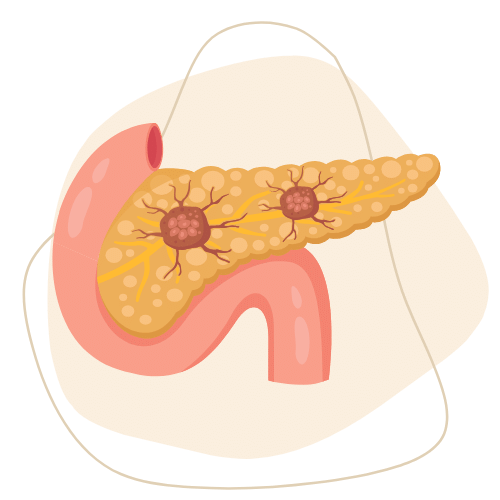
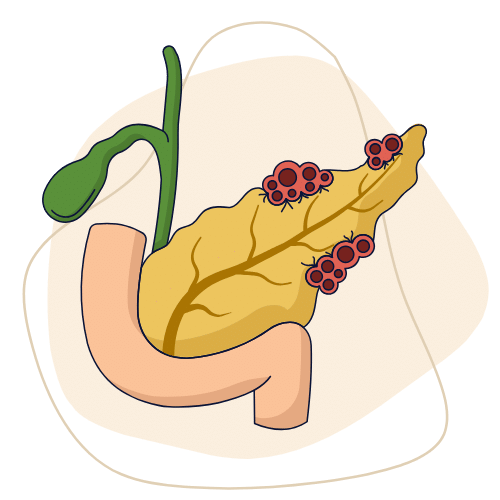
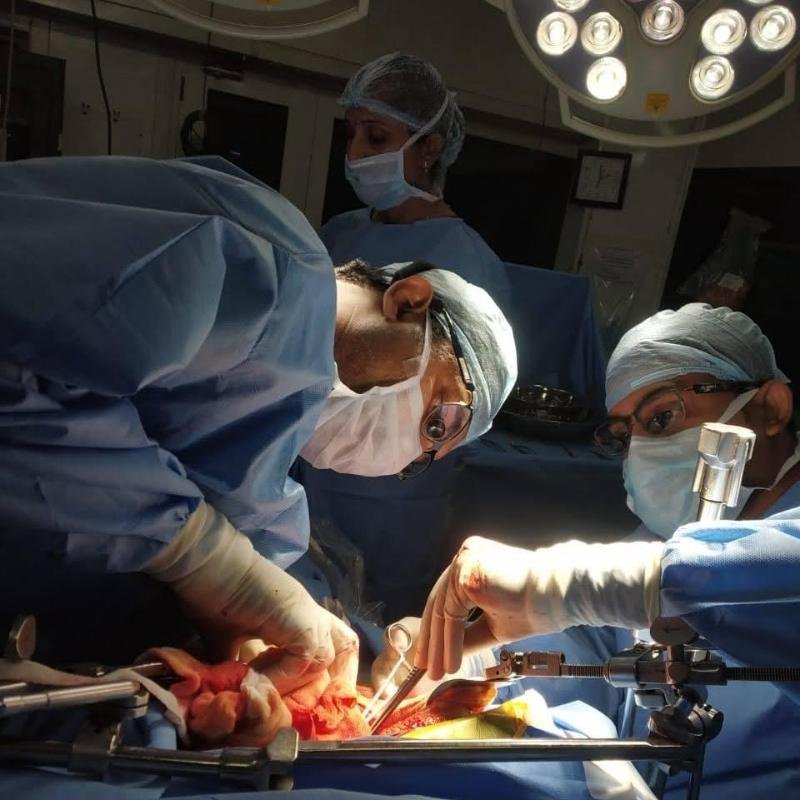
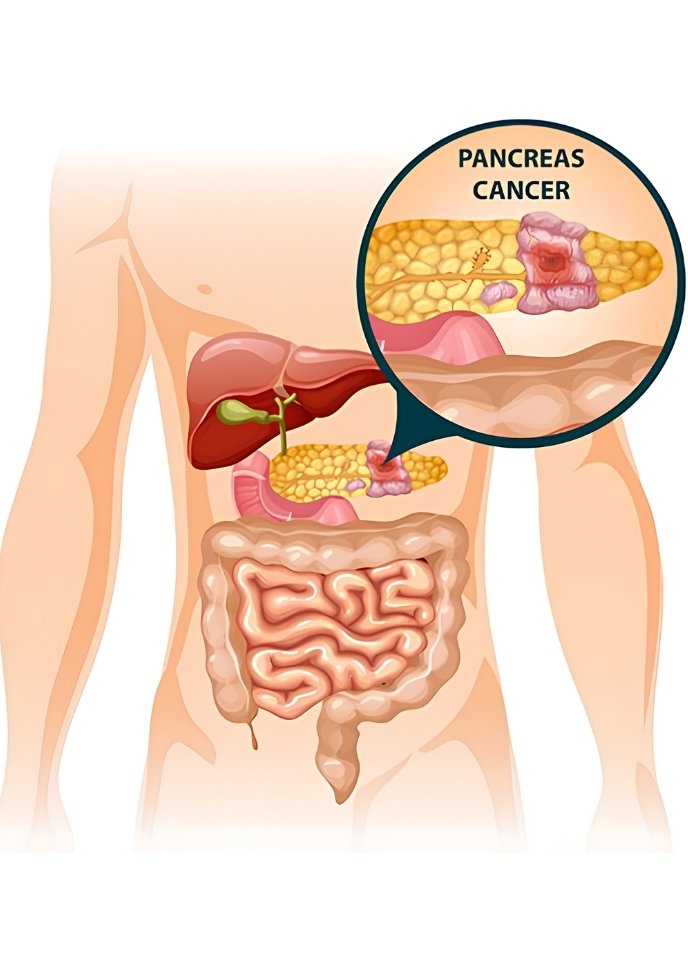
Pancreatic cancer surgery involves removing the tumour and, when necessary, nearby tissues or structures affected by the disease. The type of operation depends on where the tumour is located within the pancreas, whether it has spread to surrounding blood vessels or organs, and whether complete surgical removal is feasible.

Surgery for Pancreatic Cancer requires careful assessment of cancer stage, pancreatic anatomy, the patient’s overall health and the possibility of removing the tumour with clear margins. Depending on these findings, surgery may be considered alongside chemotherapy or other treatments as part of the overall cancer management plan.

Tumour Location

Imaging helps identify whether the cancer affects the head, body or tail of the pancreas.

Disease Extent

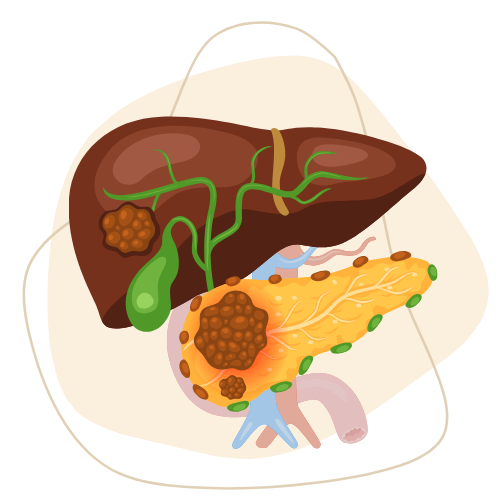
Investigations determine whether the tumour involves nearby structures or has spread elsewhere.

Surgical Feasibility

The team assesses whether the tumour can be removed safely and completely.

Gujarat’s First Board-Certified (NMC) Hepatobiliary & Liver Transplant Surgeon

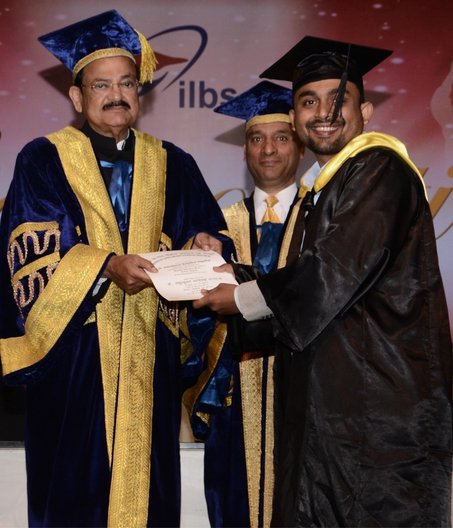
Dr. Ankur Vagadiya is a Consultant in Gastro Surgery and Liver Transplantation with 12+ years of experience in complex hepatobiliary and gastrointestinal surgery. His super-specialty training at the Institute of Liver and Biliary Sciences (ILBS), New Delhi, included major hepatobiliary procedures, pancreatic surgery, liver resections and liver transplantation.

Pancreatic cancer surgery requires an understanding of the pancreas, bile duct, surrounding blood vessels and digestive tract. Dr. Ankur’s surgical background supports the evaluation of complex pancreatic conditions and the assessment of whether tumour removal may be appropriate based on disease extent and the patient’s clinical condition.

SIGNS

When Is Surgery for Pancreatic Cancer Considered?

Surgery may be considered when investigations indicate that pancreatic cancer can be removed safely and the patient is fit enough to undergo a major operation. The decision depends on tumour location, involvement of major blood vessels, the presence of distant spread and the role of chemotherapy before or after surgery.

What Surgery for Pancreatic Cancer Involves

The operation is planned according to the tumour’s location and its relationship with surrounding structures. The aim is to remove the cancer where feasible while preserving as much normal pancreatic function and other essential organ function as possible.

The surgical plan may include:

  • Detailed Tumour Mapping: Reviewing scans to define the tumour’s extent and relationship with nearby structures.
  • Vascular Assessment: Evaluating whether major blood vessels are involved and how this affects operability.
  • Whipple Procedure: Removing the pancreatic head and nearby structures for selected tumours in that region.
  • Distal Pancreatectomy: Removing the body or tail of the pancreas for suitable tumours in those areas.
  • Lymph Node Assessment: Removing and examining relevant lymph nodes to help determine the extent of disease.
  • Postoperative Monitoring: Monitoring digestion, blood sugar, nutrition, wound healing and recovery after surgery.

The exact operation varies between patients. In selected cases, reconstruction of blood vessels or digestive connections may be required. The final approach depends on the tumour anatomy and the findings during surgery.

Why the Right Surgical Plan Matters

Pancreatic cancer surgery is technically complex because the pancreas lies close to major blood vessels, the bile duct, the stomach and the small intestine. Careful planning helps determine whether the tumour can be removed with an appropriate margin while accounting for the risks of a major operation.

The treatment plan may also involve chemotherapy before surgery or after recovery. The sequence depends on the cancer stage, tumour biology, the patient’s general condition and the specialist team’s recommendations. Surgery is not suitable for every patient, and the goal is to select an approach that offers a meaningful treatment benefit while managing potential complications.

The Journey From Diagnosis to Recovery

Each stage helps establish the extent of the cancer and plan the next steps.

1

Cancer Assessment

Confirming the diagnosis and defining disease extent.

2

Operability Evaluation

Assessing tumour anatomy and the patient’s fitness for surgery.

3

Treatment Planning

Deciding the surgical approach and need for additional treatment.

4

Surgery & Recovery

Removing the tumour and monitoring postoperative progress.

12+

Years of

Experience

Why Choose Dr. Ankur for Surgery for Pancreatic Cancer?

Dr. Ankur Vagadiya has specialist training in hepatobiliary surgery and liver transplantation, with experience across complex abdominal procedures and pancreatic surgery. This background is relevant when assessing pancreatic tumours that lie close to major blood vessels, the bile duct and other digestive structures.

Pancreatic cancer surgery requires decisions based on tumour resectability, the patient’s health and the potential role of additional cancer treatment. A detailed surgical evaluation helps establish whether an operation is appropriate and which procedure may be considered.

650+ living donor liver transplants

Extensive experience in living donor transplantation.
Pancreatic Surgery Training

Specialist training involving pancreatic procedures.

Complex Abdominal Surgery

Experience assessing challenging abdominal conditions.

Hepatobiliary Cancer Surgery

Background in surgery for liver and biliary malignancies.

Liver Transplantation Experience

Experience across living and deceased donor transplantation.

Frequently Asked Questions

A biopsy examines a tissue sample to help establish the diagnosis. Surgical pathology examines the tissue removed during an operation and can provide information about tumour type, lymph node involvement and surgical margins.

Yes. Pancreatic cancer can affect insulin production and may be associated with new-onset diabetes or changes in existing blood sugar control. These findings need medical evaluation and do not, by themselves, confirm cancer.

A tumour can block the bile duct and cause jaundice. In selected patients, a stent may help restore bile flow, but drainage is not required in every case and should be decided by the treating team.

Yes. Depending on the tumour’s location and extent, surgery may remove the head, body or tail of the pancreas rather than the whole organ. The appropriate procedure depends on whether the cancer can be removed adequately.

Some patients experience changes in digestion, appetite or weight. Pancreatic enzyme replacement, dietary adjustments and nutritional monitoring may be recommended if digestion or nutrient absorption is affected.

Blood sugar monitoring may be necessary because removing pancreatic tissue can reduce insulin production. The need for monitoring or diabetes treatment depends on how much pancreas is removed and the patient’s blood sugar control before and after surgery.

Consult Dr. Ankur Vagadiya for Pancreatic Cancer Surgery in Ahmedabad

If you or a family member has been diagnosed with pancreatic cancer, a specialist assessment can help clarify the cancer’s extent, whether surgery may be possible and which treatment sequence is appropriate.

Scroll to Top