
Gallstone Treatment in Ahmedabad

Understanding Gallstone Treatment

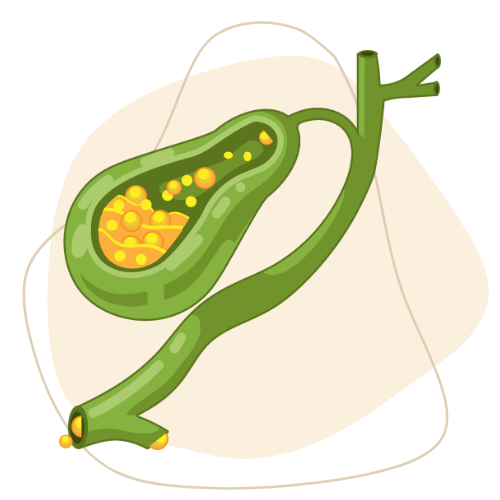
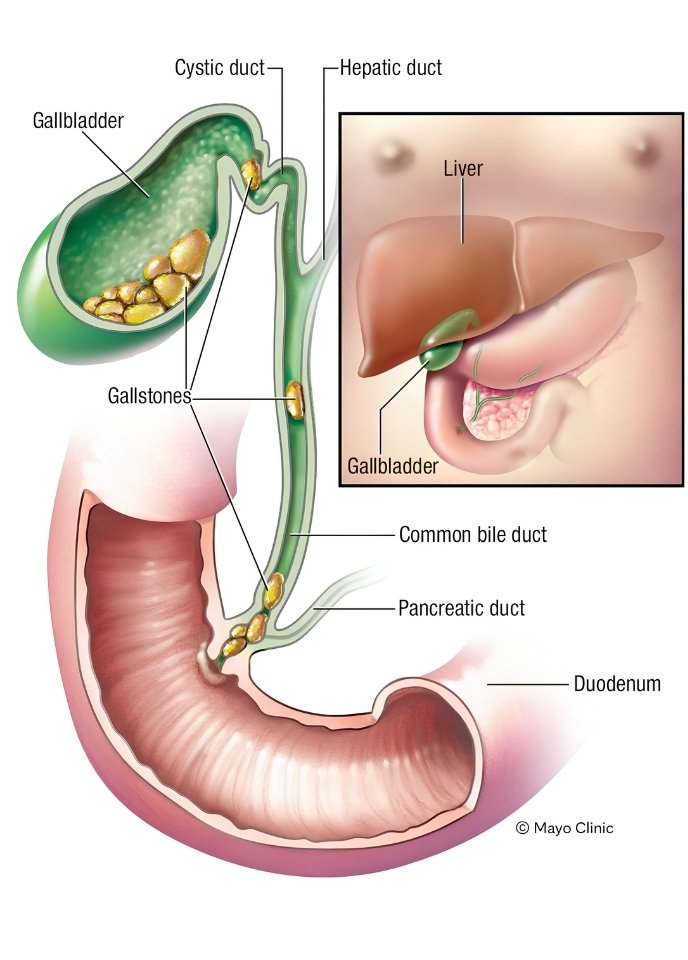
Gallstones are hardened deposits that develop inside the gallbladder, a small organ that stores bile to help digest fats. While some gallstones remain silent and do not require immediate treatment, others can block the flow of bile and cause abdominal pain, inflammation or infection. The appropriate treatment depends on the symptoms, location of the stones and whether complications have developed.

For patients considering Gallstone Treatment, the first step is to determine whether the stones are causing symptoms or affecting the gallbladder or bile ducts. Clinical assessment, ultrasound and selected blood tests help guide the decision between observation, further investigation and surgery.

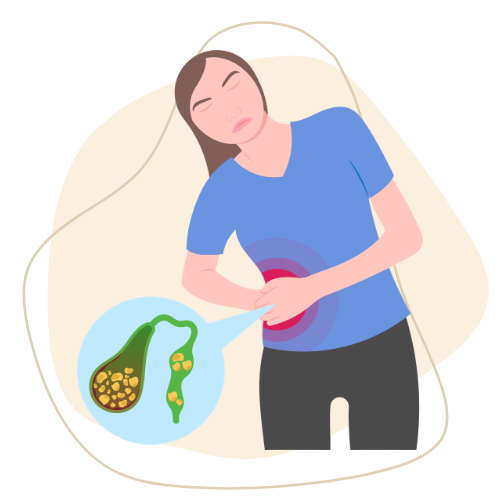
Symptom Assessment

The pattern of abdominal pain and associated symptoms helps determine whether gallstones may be causing a problem.

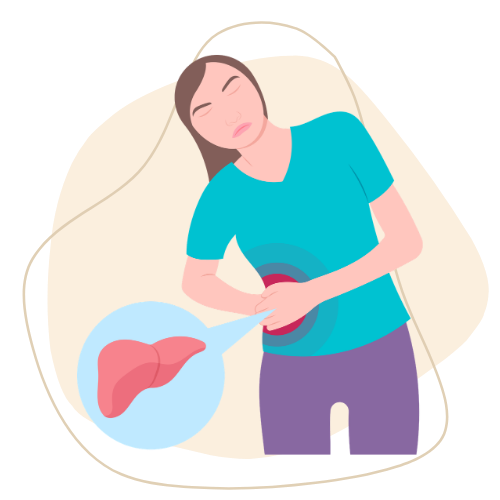
Diagnostic Evaluation

Ultrasound and relevant blood tests help assess the gallbladder and identify possible complications.

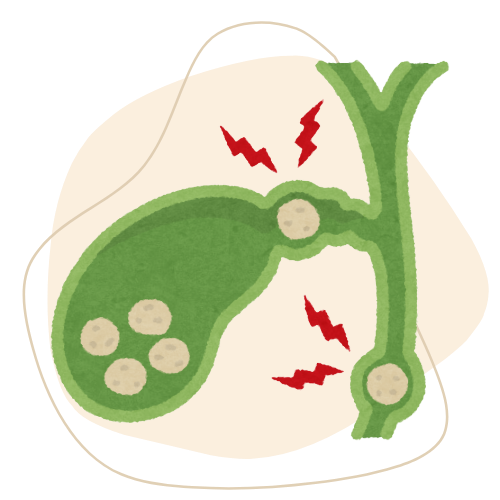
Treatment Planning

The recommended approach depends on symptoms, stone location, inflammation and overall health.

Gujarat’s First Board-Certified (NMC) Hepatobiliary & Liver Transplant Surgeon

Dr. Ankur Vagadiya is a Consultant in Gastro Surgery and Liver Transplantation with 12+ years of experience in complex gastrointestinal and hepatobiliary surgery. He completed his super-specialty training at the Institute of Liver and Biliary Sciences (ILBS), New Delhi, where his surgical experience included major hepatobiliary procedures and surgery for liver and gallbladder cancers.

His background in hepatobiliary surgery supports the evaluation of gallbladder conditions and the planning of surgical treatment when indicated. The recommended approach depends on the patient’s findings, the extent of disease and whether the bile ducts or nearby structures are involved.

SIGNS

When Is Gallstone Treatment Needed?

Gallstone treatment depends on whether the stones cause symptoms, interfere with bile flow or lead to inflammation or other complications. Gallstones discovered incidentally may not need treatment if they are not causing symptoms, while recurrent pain or complications may require surgical assessment.

What Gallstone Treatment Involves

Treatment begins with confirming whether gallstones explain the symptoms and checking for complications. For symptomatic gallstones affecting the gallbladder, laparoscopic cholecystectomy—the removal of the gallbladder—is commonly recommended when the patient is suitable for surgery.

The treatment process may include:

  • Clinical Assessment: Reviewing symptoms, medical history and examination findings.

  • Ultrasound Evaluation: Identifying gallstones and assessing the gallbladder.

  • Blood Investigations: Checking for signs of inflammation, bile duct obstruction or pancreatitis.

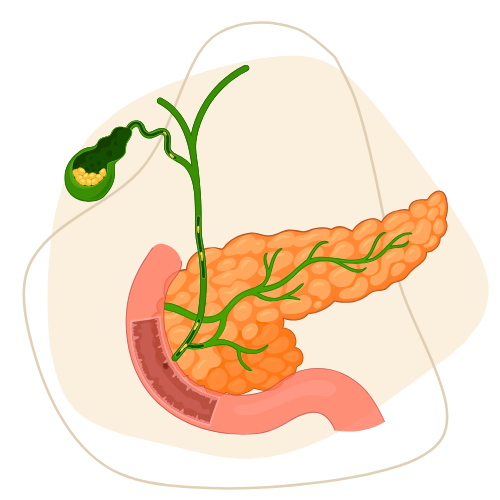
  • Further Bile Duct Assessment: Using tests such as MRCP when a common bile duct stone is suspected.

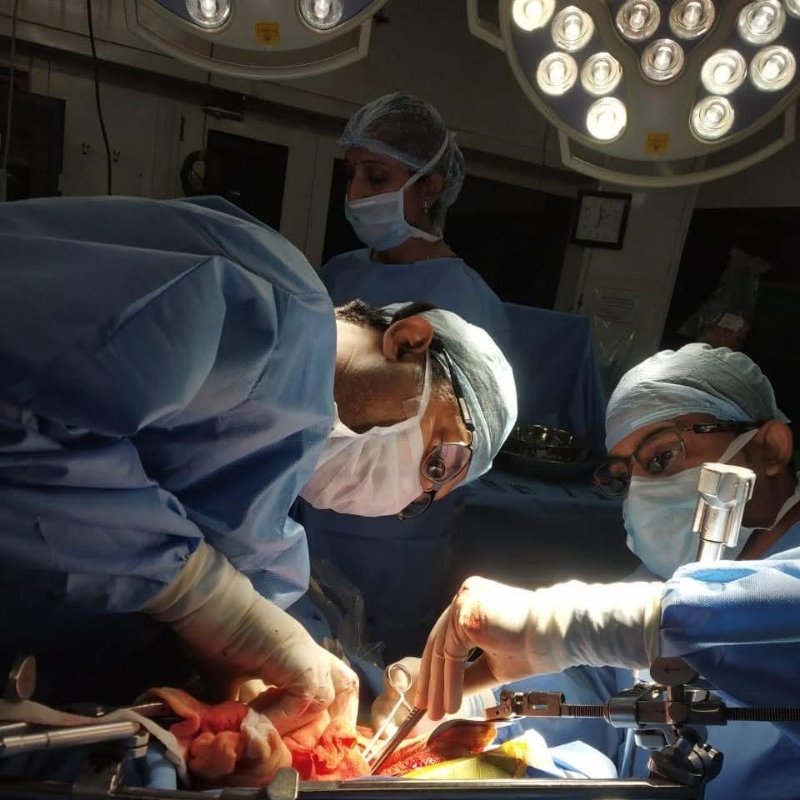
  • Gallbladder Surgery: Removing the gallbladder when surgery is indicated, often using a laparoscopic approach.

  • Additional Duct Treatment: Treating bile duct stones separately when required, sometimes with an endoscopic procedure such as ERCP.

The exact approach depends on the location of the stones and the presence of complications. Medicines may help manage pain, but they do not provide a reliable definitive solution for most symptomatic gallstones. Treatment is planned according to clinical findings rather than the presence of stones alone.

Why the Right Gallstone Treatment Matters

Gallstone symptoms can resemble other abdominal conditions, so the cause of pain needs to be established before treatment is chosen. An assessment also helps identify whether a stone is confined to the gallbladder or has moved into the bile duct, where it may cause jaundice, infection or pancreatitis.

For symptomatic gallstones, removing the gallbladder can help prevent further gallbladder-related attacks. If bile duct stones or acute inflammation are present, the treatment plan may need additional steps or a different sequence of care. The aim is to treat the identified problem while reducing the risk of avoidable complications. Recovery and the timing of a return to normal activities depend on the procedure performed, the patient’s health and whether the condition was uncomplicated or required urgent treatment.

The Journey From Diagnosis to Treatment

Effective gallstone management begins with identifying where the stones are and whether they are causing complications.

1

Review Symptoms

Assessing pain patterns and related symptoms.

2

Confirm the Diagnosis

Using imaging and tests to assess the gallbladder.

3

Select Treatment

Deciding between observation, surgery or further intervention.

4

Treatment & Recovery

Managing the condition and monitoring recovery.

12+

Years of

Experience

Why Choose Dr. Ankur for Gallstone Treatment?

Dr. Ankur Vagadiya has specialist training in gastrointestinal and hepatobiliary surgery, including surgical management of gallbladder and other complex abdominal conditions. His training at ILBS included major hepatobiliary procedures, liver resections and surgery for liver and gallbladder cancers.

For patients with gallstones, the assessment focuses on symptom severity, imaging findings, possible bile duct involvement and the most appropriate treatment option. Where surgery is recommended, the approach depends on the patient’s condition and the complexity of the case.

700+ major hepatobiliary surgeries

Extensive exposure to complex liver procedures.

Gallbladder Surgery Experience

Surgical training involving gallbladder-related conditions.

Complex Abdominal Surgery

Experience assessing challenging abdominal conditions.

Diagnostic-Led Planning

Treatment decisions based on clinical and imaging findings.

Surgical Approach Assessment

Evaluating the safest feasible approach for each case.

Frequently Asked Questions

Gallstones usually do not disappear on their own. If they are not causing symptoms, treatment may not be necessary immediately. Symptomatic gallstones often require a discussion about gallbladder removal.

No. People with incidentally discovered gallstones and no symptoms may not need treatment. Surgery is commonly considered when stones cause repeated symptoms or complications.

Laparoscopic cholecystectomy is a common treatment for symptomatic gallstones. It involves removing the gallbladder through small incisions, provided the patient is suitable for the procedure.

Yes. A stone can move into the common bile duct and obstruct the flow of bile. This may cause jaundice, abnormal liver tests or infection and may require additional treatment.

Recovery varies according to the surgical approach, general health and whether complications are present. Many patients return to routine activities within a relatively short period after uncomplicated laparoscopic surgery, but the surgeon will advise on individual recovery.

Severe or persistent abdominal pain, fever, repeated vomiting, or yellowing of the eyes or skin can indicate a complication. These symptoms warrant urgent medical assessment.

Consult Dr. Ankur Vagadiya for Gallstone Treatment in Ahmedabad

If you are experiencing repeated abdominal pain or have been diagnosed with gallstones, a specialist assessment can help determine whether observation, gallbladder surgery or further bile duct evaluation is appropriate.

Scroll to Top