
Laparoscopic Gallbladder Surgery in Ahmedabad

Understanding Laparoscopic Gallbladder Surgery

Laparoscopic gallbladder surgery is a minimally invasive procedure used to remove the gallbladder, most commonly when gallstones cause repeated pain or other complications. The surgeon performs the operation through small incisions using a camera and specialised instruments. Compared with open surgery, the laparoscopic approach generally involves smaller incisions and may allow a quicker recovery in suitable patients.

For patients considering Laparoscopic Gallbladder Surgery, the decision depends on symptoms, ultrasound findings, the presence of inflammation and whether stones have affected the bile ducts. A careful evaluation helps determine whether surgery is appropriate and whether any additional treatment is needed before or after the procedure.

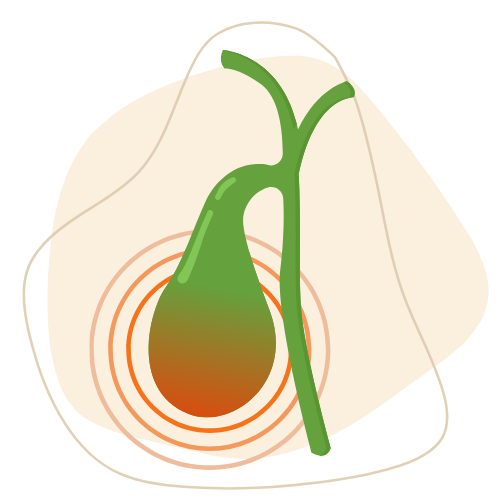
Symptom Evaluation

Abdominal pain and related symptoms help establish whether gallbladder removal may be needed.

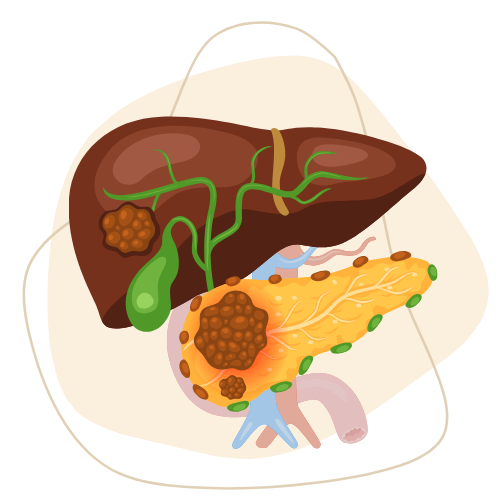
Laparoscopic Assessment

Clinical findings and imaging help determine the appropriate surgical approach.

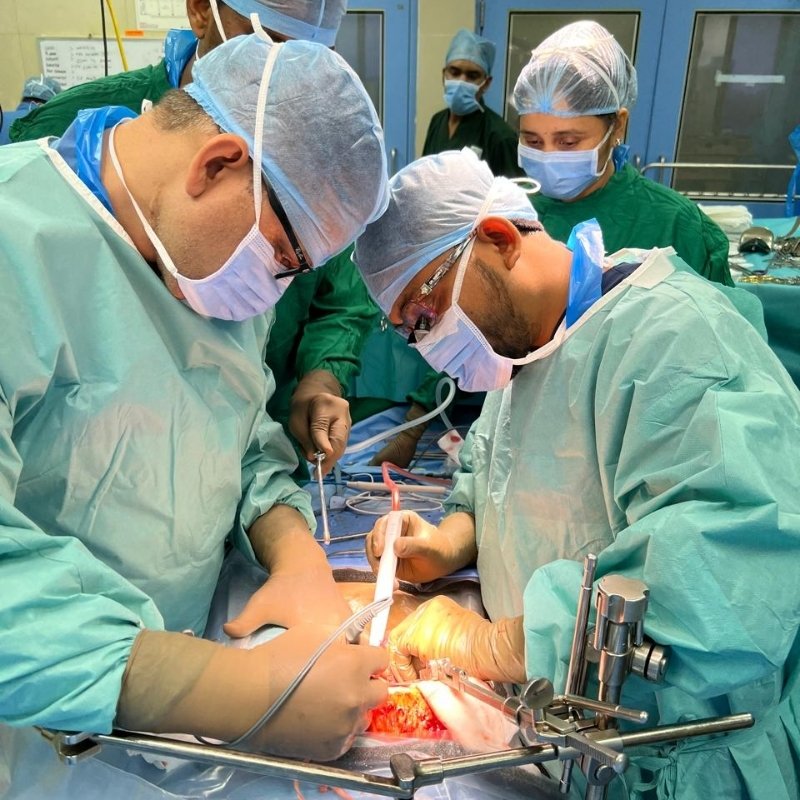
Surgical Planning

The procedure is planned according to gallbladder condition and potential complications.

Gujarat’s First Board-Certified (NMC) Hepatobiliary & Liver Transplant Surgeon

Dr. Ankur Vagadiya is a Consultant in Gastro Surgery and Liver Transplantation with 12+ years of experience in gastrointestinal and hepatobiliary surgery. He completed his super-specialty training in hepatobiliary and liver transplantation at the Institute of Liver and Biliary Sciences (ILBS), New Delhi, where his training included gallbladder disease, major hepatobiliary procedures and complex abdominal surgery. His clinical expertise includes gallstone disease, acute and chronic cholecystitis, gallbladder polyps and gallbladder cancer. His academic work also includes research on preoperative carbohydrate drinks and immediate postoperative outcomes after day-care laparoscopic cholecystectomy.

SIGNS

When Is Laparoscopic Gallbladder Surgery Recommended?

Laparoscopic gallbladder surgery may be recommended when gallstones cause repeated symptoms or when gallbladder disease leads to complications. The decision depends on the patient’s symptoms, imaging results, overall health and the complexity of the condition.

What Laparoscopic Gallbladder Surgery Involves

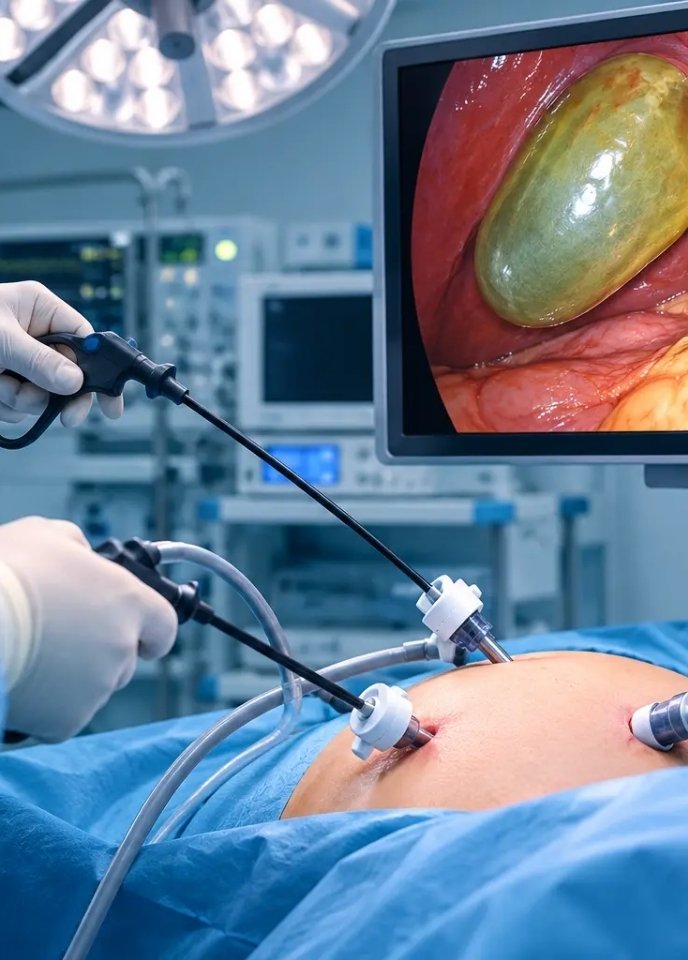
Laparoscopic gallbladder surgery, also known as laparoscopic cholecystectomy, involves removing the gallbladder through small abdominal incisions. A camera provides a view of the operating area, allowing the surgeon to identify the relevant structures and perform the procedure using specialised instruments.

The surgical process generally includes:

  • Preoperative Assessment: Reviewing medical history, imaging and fitness for surgery.

  • Anaesthesia: Performing the operation under general anaesthesia.

  • Small Incisions: Creating access points for the camera and surgical instruments.

  • Gallbladder Removal: Separating and removing the gallbladder carefully.

  • Specimen Examination: Sending the removed gallbladder for examination when indicated.

  • Postoperative Monitoring: Assessing pain control, recovery and possible complications.

In some cases, additional bile duct investigations or procedures may be required. If severe inflammation, scar tissue or unclear anatomy makes laparoscopic surgery unsafe, the surgeon may recommend converting to open surgery.

Why Laparoscopic Gallbladder Surgery Can Make a Difference

For suitable patients, laparoscopic gallbladder surgery offers a minimally invasive way to treat symptomatic gallbladder disease. The smaller incisions generally result in less wound-related discomfort and may support an earlier return to routine activities compared with open surgery.

Removing the gallbladder can help prevent further gallbladder-related attacks when stones are responsible for the symptoms. However, the procedure still carries risks, including bleeding, infection, bile leakage and injury to the bile ducts or nearby structures.

The surgical approach is selected according to the patient’s condition and the surgeon’s assessment of safety. Recovery varies depending on the extent of inflammation, overall health and whether additional procedures are required.

The Journey From Diagnosis to Recovery

A planned surgical approach begins with confirming the diagnosis and assessing fitness for the procedure.

1

Review Symptoms

Assessing pain and related symptoms.

2

Confirm Diagnosis

Reviewing ultrasound and relevant investigations.

3

Plan Surgery

Evaluating surgical fitness and operative requirements.

4

Surgery & Recovery

Removing the gallbladder and monitoring recovery.

12+

Years of

Experience

Why Choose Dr. Ankur for Laparoscopic Gallbladder Surgery?

Dr. Ankur Vagadiya has specialist training in gastrointestinal and hepatobiliary surgery, with experience in gallstone disease, gallbladder conditions and complex abdominal procedures. His training at ILBS included major hepatobiliary surgery, while his academic work includes published research on outcomes following day-care laparoscopic cholecystectomy.

His approach to gallbladder surgery involves reviewing symptoms, confirming the diagnosis, assessing possible bile duct involvement and determining the safest feasible surgical method for the patient’s condition.

700+ major hepatobiliary surgeries

Extensive exposure to complex liver procedures.

Gallstone Disease Expertise

Clinical experience evaluating gallbladder conditions.
Laparoscopic Surgery Research

Published research involving laparoscopic cholecystectomy outcomes.

Complex Gallbladder Assessment

Evaluating inflammation and related complications.

Surgical Approach Planning

Selecting an approach based on clinical findings.

Frequently Asked Questions

It is a minimally invasive operation to remove the gallbladder through small abdominal incisions using a camera and specialised instruments. It is commonly performed for symptomatic gallstones and selected gallbladder conditions.

No. Gallstones that do not cause symptoms may not require immediate treatment. Surgery is generally considered when stones cause repeated pain or complications.

The duration depends on the patient’s condition, the extent of inflammation and the complexity of the operation. The surgeon can provide a more specific estimate after reviewing the clinical findings.

Many patients return to routine activities within one to two weeks after uncomplicated surgery, although recovery varies. More complex cases may require additional time, and activity restrictions should follow the surgeon’s advice.

Yes. The liver continues to produce bile after gallbladder removal. Bile flows directly into the small intestine, although some people may temporarily notice changes in digestion.

Yes. If severe inflammation, scar tissue or unclear anatomy makes laparoscopic surgery unsafe, the surgeon may convert to open surgery to manage the condition appropriately.

Consult Dr. Ankur Vagadiya for Laparoscopic Gallbladder Surgery in Ahmedabad

If you have recurring abdominal pain, diagnosed gallstones or gallbladder inflammation, a specialist assessment can help determine whether laparoscopic gallbladder removal is appropriate and what to expect from the procedure.

Scroll to Top