
Surgery for Colorectal Liver Metastasis in Ahmedabad
Understanding Surgery for Colorectal Liver Metastasis
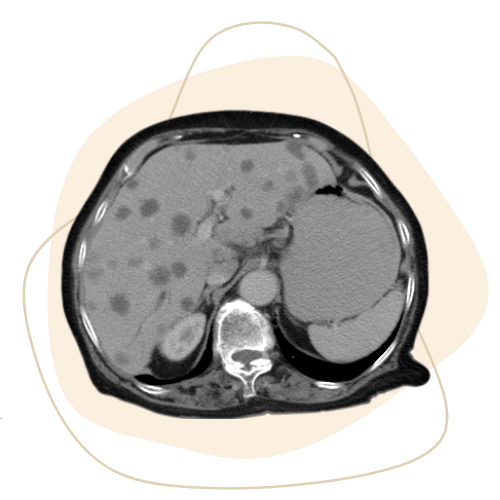
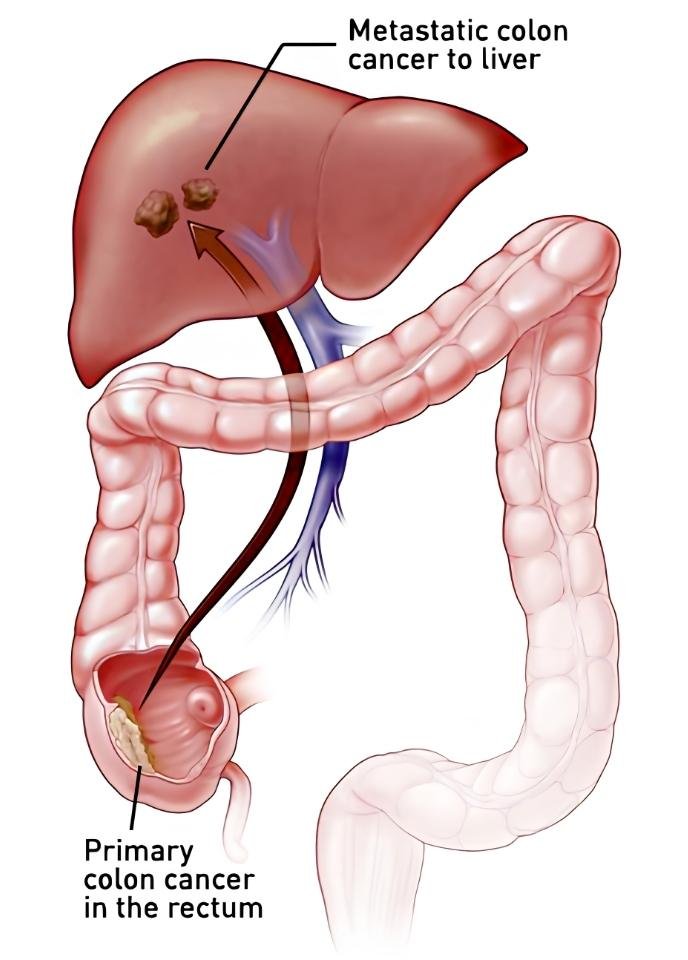
Colorectal liver metastasis occurs when cancer that begins in the colon or rectum spreads to the liver. The liver is a common site for the spread of colorectal cancer because blood from the digestive tract flows through the liver. Treatment depends on the number and location of liver tumours, whether the cancer has spread elsewhere and the patient’s overall health.
Surgery for Colorectal Liver Metastasis may be considered when liver tumours can be removed completely while preserving enough healthy liver tissue. Depending on the disease pattern, surgery may be combined with chemotherapy, ablation or other treatments as part of a coordinated cancer care plan.

Tumour Distribution
Imaging helps identify the number, size and location of liver metastases.

Liver Function Assessment
The team evaluates liver health and the amount of functioning tissue that will remain after surgery.

Cancer Treatment Planning
The extent of disease and response to previous treatment help guide surgical decisions.
Gujarat’s First Board-Certified (NMC) Hepatobiliary & Liver Transplant Surgeon
Dr. Ankur Vagadiya is a Consultant in Gastro Surgery and Liver Transplantation with 12+ years of experience in complex hepatobiliary surgery. His super-specialty training at the Institute of Liver and Biliary Sciences (ILBS), New Delhi, included major liver resections, complex abdominal procedures and the surgical management of hepatobiliary conditions. Surgery for colorectal liver metastasis requires careful assessment of tumour distribution, liver anatomy and the feasibility of removing all visible disease. Dr. Ankur’s background in major liver surgery is relevant when evaluating patients who may benefit from liver resection as part of their colorectal cancer treatment.
SIGNS
When Is Surgery for Colorectal Liver Metastasis Considered?
Surgery may be considered when the liver metastases can be removed or otherwise completely treated while maintaining adequate liver function. The decision depends on the extent of cancer in the liver and elsewhere, the relationship between tumours and major blood vessels, and the patient’s response to treatment.

Resectable Liver Metastases

Limited Liver Disease

Tumours Near Major Liver Structures

Disease Responding to Chemotherapy

Adequate Remaining Liver Volume
The operation aims to remove liver tumours while preserving enough healthy liver tissue for normal function. Depending on the distribution of metastases, the surgeon may remove a small portion of the liver or a larger section. In selected cases, resection may be combined with local tumour treatments.
The treatment pathway generally includes:
- Detailed Imaging: Mapping the liver metastases and their relationship with important structures.
- Liver Function Evaluation: Assessing liver health and the expected remaining liver volume.
- Treatment Sequence Planning: Determining whether surgery should be performed before or after chemotherapy.
- Liver Resection: Removing the affected liver tissue with the aim of achieving complete tumour clearance.
- Combined Local Treatment: Considering ablation for selected additional lesions when appropriate.
- Postoperative Monitoring: Monitoring liver function, recovery and the need for further cancer treatment.
The surgical plan varies with tumour location, previous treatment and the extent of disease. Some patients may require staged procedures or preparation to increase the amount of functioning liver expected to remain.
Why Liver Surgery Can Matter in Colorectal Cancer
For selected patients, complete treatment of colorectal liver metastases may offer the possibility of long-term disease control. Surgery can remove liver deposits that are technically treatable, while chemotherapy and other therapies may address cancer cells elsewhere or reduce the risk of further disease progression.
The decision must account for the overall pattern of cancer, not just the liver findings. Treatment may involve colorectal surgeons, hepatobiliary surgeons, medical oncologists, radiologists and other specialists. The aim is to select a strategy that balances the possibility of effective cancer control with the patient’s safety and quality of life.
The Journey From Assessment to Recovery
Each stage helps establish whether liver surgery is appropriate and how it should be planned.
1
Metastasis Assessment
Mapping tumour number, location and disease extent.
2
Liver Function Evaluation
Assessing liver health and remaining functional capacity.
3
Treatment & Surgical Planning
Selecting the timing and extent of treatment.
4
Surgery & Follow-Up
Treating liver lesions and monitoring recovery.
12+
Years of
Experience
Why Choose Dr. Ankur for Surgery for Colorectal Liver Metastasis?
Dr. Ankur Vagadiya has specialist training in hepatobiliary surgery and liver transplantation, including major liver resections and complex abdominal procedures. This background is relevant when assessing colorectal cancer that has spread to the liver and determining whether surgical removal may be feasible.
Planning liver resection requires careful consideration of tumour distribution, blood vessel and bile duct anatomy, and the amount of functioning liver that will remain. These factors help guide decisions about the extent of surgery and whether additional treatments should be incorporated into the care plan.

700+ major hepatobiliary surgeries
Extensive exposure to complex liver procedures.

Major Liver Resection Experience
Training in surgery for selected liver tumours.

Complex Abdominal Surgery
Experience evaluating challenging abdominal conditions.

Hepatobiliary Surgical Planning
Experience assessing complex liver anatomy.

Liver Transplantation Experience
Background in living and deceased donor transplantation.
Frequently Asked Questions
Can colorectal liver metastases be treated more than once?
In selected patients, repeat liver surgery or local treatments may be considered if cancer returns in the liver. Suitability depends on the location and extent of recurrence, previous procedures, liver function and the status of cancer elsewhere.
Why are molecular tests performed on colorectal cancer tissue?
Molecular tests can identify tumour characteristics that may help guide systemic treatment. Results such as RAS, BRAF and mismatch repair status may influence the selection of medicines and the overall treatment plan.
Will the primary colon or rectal tumour also need surgery?
That depends on whether the primary tumour has already been treated, whether it remains in place and whether it is causing symptoms or complications. The treatment sequence is determined by the multidisciplinary cancer team.
Can chemotherapy affect the liver before surgery?
Some chemotherapy medicines can cause liver changes, and prolonged treatment may affect surgical planning. The team considers previous treatment, liver function and imaging when determining whether and when resection should be performed.
How is recurrence monitored after liver metastasis surgery?
Follow-up may include clinical reviews, blood tests such as CEA where appropriate, and periodic imaging. The schedule depends on the original cancer, pathology findings and the patient’s overall treatment plan.
Does removing liver metastases mean the colorectal cancer is cured?
Not necessarily. Surgery may offer long-term disease control in selected patients, but recurrence can occur in the liver or elsewhere. Continued surveillance and additional treatment may be recommended according to the patient’s risk and clinical findings.
Consult Dr. Ankur Vagadiya for Colorectal Liver Metastasis Surgery in Ahmedabad
A diagnosis of colorectal cancer that has spread to the liver requires assessment of both the liver lesions and the overall extent of disease. A specialist consultation can help determine whether resection, combined treatment or another approach may be appropriate.