
Surgery for Biliary Atresia in Ahmedabad

Understanding Surgery for Biliary Atresia

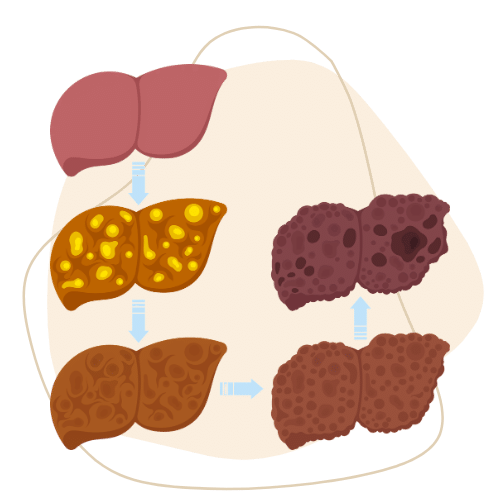
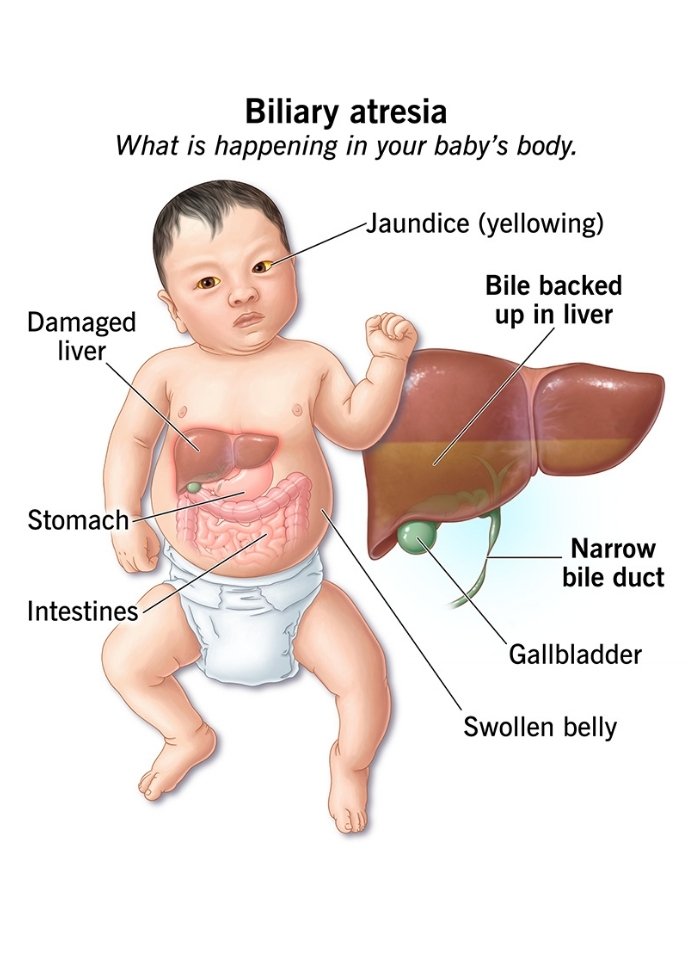
Biliary atresia is a rare condition in infants in which the bile ducts are blocked, damaged or absent, preventing bile from draining normally from the liver into the intestine. As bile builds up in the liver, it can cause progressive liver damage. Early diagnosis and timely surgical evaluation are important to protect liver function.

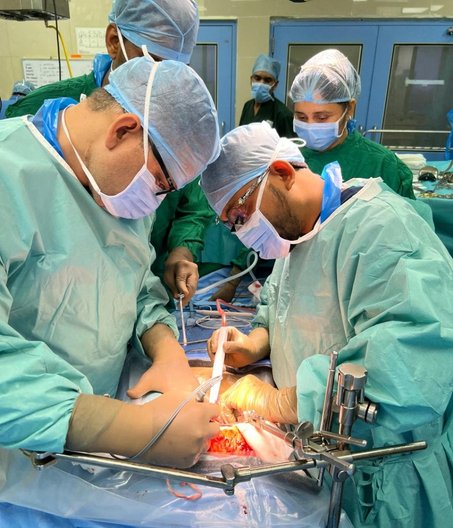
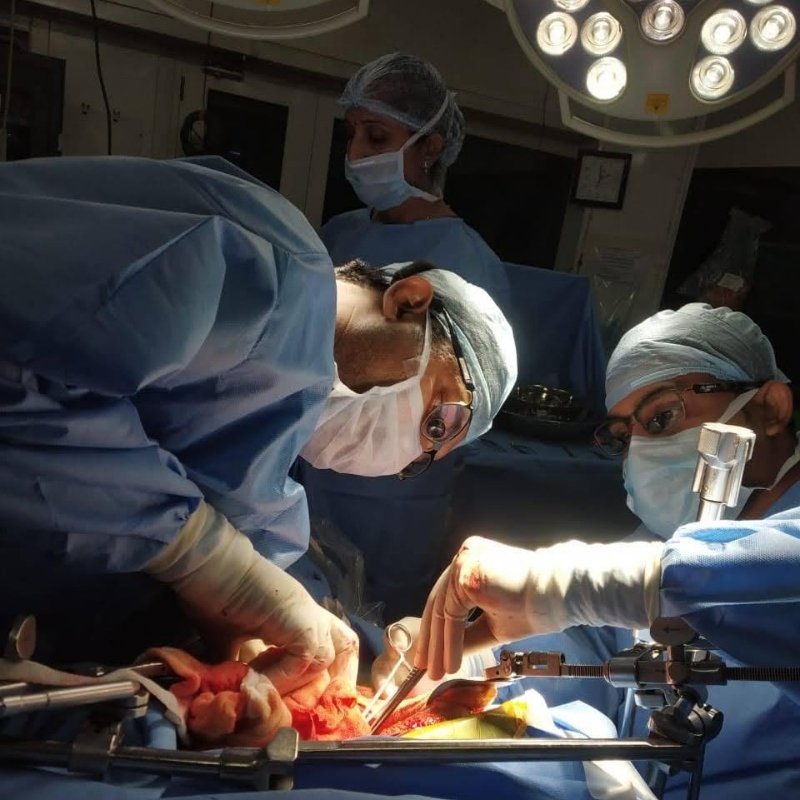
Surgery for Biliary Atresia aims to restore bile drainage where possible and manage the effects of ongoing liver disease. The main operation, called a Kasai portoenterostomy, connects the liver to the intestine to allow bile to drain. Some children may later require liver transplantation if bile drainage remains inadequate or liver disease progresses.

Early Diagnosis

Recognising persistent jaundice and other warning signs helps avoid delays in specialist evaluation.

Bile Drainage Assessment

Investigations help determine the extent of bile duct damage and guide surgical planning.

Long-Term Liver Care

Follow-up tracks liver function, growth, nutrition and the need for further treatment.

Gujarat’s First Board-Certified (NMC) Hepatobiliary & Liver Transplant Surgeon

Dr. Ankur Vagadiya is a Consultant in Gastro Surgery and Liver Transplantation with 12+ years of experience in complex hepatobiliary surgery and liver transplantation. His super-specialty training at the Institute of Liver and Biliary Sciences (ILBS), New Delhi, included liver transplantation and the management of advanced liver disease. Biliary atresia requires timely decisions about bile drainage, ongoing liver function and the possible need for transplantation. Dr. Ankur’s hepatobiliary and transplant background is relevant to assessing liver disease progression and transplant-related needs. Treatment decisions for infants should involve an appropriate paediatric hepatobiliary and liver transplant team.

SIGNS

When Is Surgery for Biliary Atresia Considered?

Surgery is considered when clinical findings and investigations suggest biliary atresia. Because liver injury can progress quickly in affected infants, early specialist assessment is essential. The appropriate procedure depends on the diagnosis, the condition of the liver and the child’s overall health.

What Surgery for Biliary Atresia Involves

The surgical approach depends on the extent of bile duct damage and the condition of the liver. The main aim is to establish bile drainage when possible, while planning for ongoing monitoring and additional treatment if the disease progresses.

The treatment pathway may involve:

  • Diagnostic Evaluation: Blood tests, imaging and specialist investigations to assess bile flow and liver function.
  • Kasai Portoenterostomy: Connecting the intestine to the liver’s bile drainage area when the procedure is appropriate.
  • Bile Flow Monitoring: Checking whether bile drainage improves after surgery.
  • Nutrition Support: Addressing growth, calorie needs and absorption of fat-soluble vitamins.
  • Complication Management: Monitoring for cholangitis, portal hypertension and other liver-related problems.
  • Transplant Assessment: Evaluating the need for liver transplantation if liver function deteriorates or bile drainage remains inadequate.

The Kasai procedure does not cure the underlying condition, and its effectiveness varies. Some children achieve useful bile drainage, while others continue to develop liver disease and may require transplantation. Treatment and follow-up should be coordinated by specialists experienced in paediatric liver conditions.

Why Timely Surgical Planning Matters

The timing of treatment is particularly important in biliary atresia because ongoing bile obstruction can cause progressive scarring of the liver. Early evaluation helps the specialist team determine whether a Kasai procedure may improve bile drainage and establish a plan for monitoring the child’s response.

Surgery is only one part of care. Children may need nutritional support, monitoring for infection and portal hypertension, and regular assessment of liver function and growth. If liver disease advances, transplantation may offer a treatment option. The care plan should reflect the child’s clinical progress rather than relying on the initial procedure alone.

The Journey From Donor Evaluation to Transplant

Each stage helps establish the diagnosis, determine the surgical approach and plan ongoing liver care.

1

INITIAL ASSESSMENT

Reviewing jaundice, stool colour and blood test findings.

2

Diagnostic Confirmation

Evaluating bile ducts and liver function.

3

Surgical Planning

Determining whether a Kasai procedure is appropriate.

4

Follow-Up & Further Care

Monitoring bile drainage, growth and liver health.

12+

Years of

Experience

Why Choose Dr. Ankur for Surgery for Biliary Atresia?

Dr. Ankur Vagadiya’s background in hepatobiliary surgery and liver transplantation is relevant to evaluating children with advanced liver disease and determining when transplant assessment may be needed. Biliary atresia requires coordinated decisions about the effectiveness of bile drainage surgery, progression of liver damage and the child’s longer-term treatment needs.

Care should involve a specialist paediatric team, with transplant expertise available when required. Assessment of the child’s liver function and clinical progress helps guide the next stage of treatment.

700+ major hepatobiliary surgeries

Extensive exposure to complex liver procedures.

Liver Transplantation Training

Specialist training in transplant-related surgical care.
Advanced Liver Disease Assessment

Experience evaluating complex liver conditions.

Transplant Planning Experience

Background in assessing transplant-related treatment needs.

Multidisciplinary Treatment Approach

Coordination with relevant paediatric liver specialists.

Frequently Asked Questions

In most cases, biliary atresia is not considered a straightforward inherited condition. It is uncommon for multiple children in the same family to be affected, but families can discuss individual concerns with their paediatric specialist.

Some infants need additional calories, specialised feeding support or supplements of fat-soluble vitamins A, D, E and K. The specific plan depends on bile flow, growth and the child’s ability to absorb nutrients.

Fever, worsening jaundice, reduced feeding, unusual sleepiness or a sudden change in the child’s condition need prompt medical assessment. These signs may indicate infection or another complication and should not be ignored.

Vaccination planning should be discussed with the treating paediatric team. Children with chronic liver disease or those being evaluated for transplantation may need particular attention to their vaccination schedule.

Growth and development vary according to liver function, nutrition and complications. Regular monitoring and early nutritional support can help address problems before they significantly affect development.

Long-term follow-up is usually necessary, even when bile drainage improves. The team monitors liver function, growth, nutrition and complications, and reassesses whether further treatment is needed as the child grows.

Consult Dr. Ankur Vagadiya for Biliary Atresia Treatment in Ahmedabad

Biliary atresia requires timely diagnosis, appropriate surgical evaluation and continued monitoring of liver health. A specialist consultation can help clarify the child’s condition and whether further hepatobiliary or transplant assessment is required.

Scroll to Top