
Hilar Cholangiocarcinoma Treatment in Ahmedabad

Understanding Hilar Cholangiocarcinoma Treatment

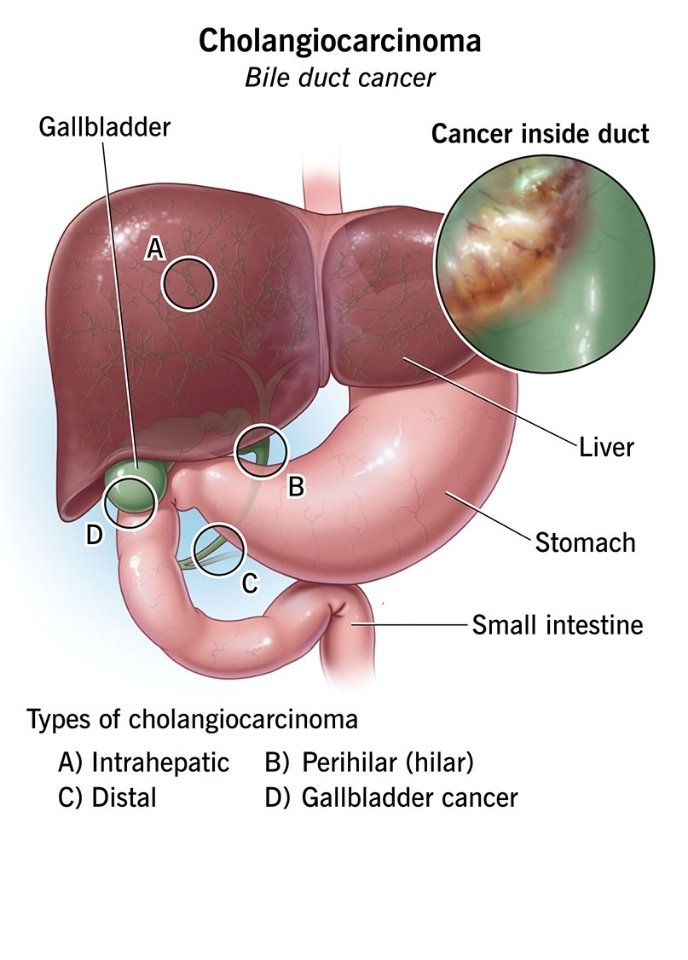
Hilar cholangiocarcinoma, also called perihilar bile duct cancer or a Klatskin tumour, develops in the bile ducts near the junction where the right and left hepatic ducts meet. As the tumour grows, it can obstruct bile flow from the liver, affecting liver function and causing jaundice. Treatment planning requires careful assessment of the tumour’s extent, its relationship with major blood vessels and the condition of the remaining liver.

Hilar Cholangiocarcinoma Treatment depends on whether the tumour can be removed surgically, how far it has spread and the patient’s overall health. For eligible patients, surgery may involve removing the affected bile duct along with part of the liver. Other treatment approaches may be considered when complete surgical removal is not feasible.

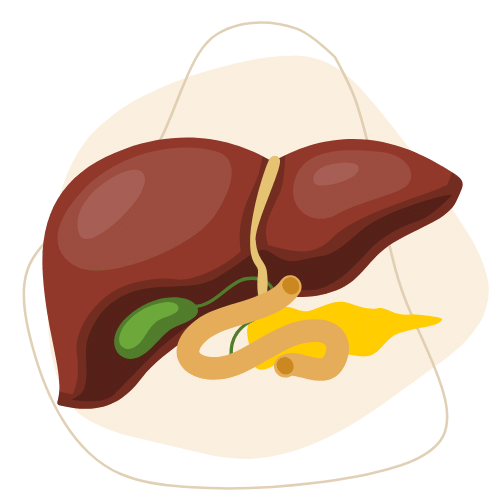
Tumour Extent

Imaging helps establish how far the tumour extends along the bile ducts and nearby structures.

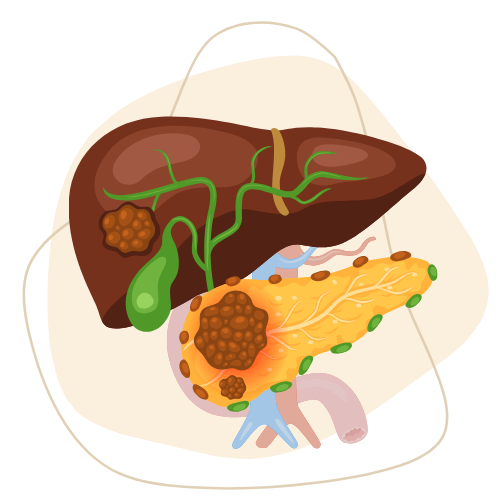
Bile Flow Assessment

Investigations evaluate bile duct obstruction and its effect on liver function.

Surgical Feasibility

The team assesses whether the tumour can be removed safely with adequate remaining liver function.

Gujarat’s First Board-Certified (NMC) Hepatobiliary & Liver Transplant Surgeon

Dr. Ankur Vagadiya is a Consultant in Gastro Surgery and Liver Transplantation with 12+ years of experience in complex hepatobiliary surgery. He completed his super-specialty training in hepatobiliary and liver transplantation at the Institute of Liver and Biliary Sciences (ILBS), New Delhi, following extensive surgical training at PGIMER, Chandigarh.

His training included surgery for hilar cholangiocarcinoma, major liver resections, gallbladder cancer and other complex hepatobiliary conditions. This background is relevant when assessing bile duct tumours that may require combined bile duct and liver surgery.

SIGNS

When Is Surgery for Hilar Cholangiocarcinoma Considered?

Surgery may be considered when the tumour can potentially be removed completely and the patient is fit enough to undergo a major operation. The decision depends on the extent of bile duct involvement, nearby blood vessels, spread to other sites and whether sufficient functioning liver tissue will remain after surgery.

What Hilar Cholangiocarcinoma Surgery Involves

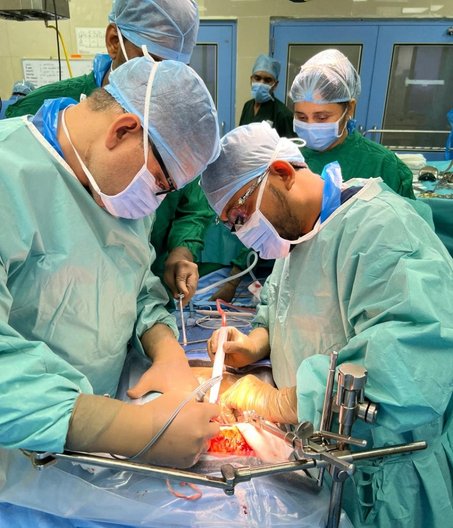
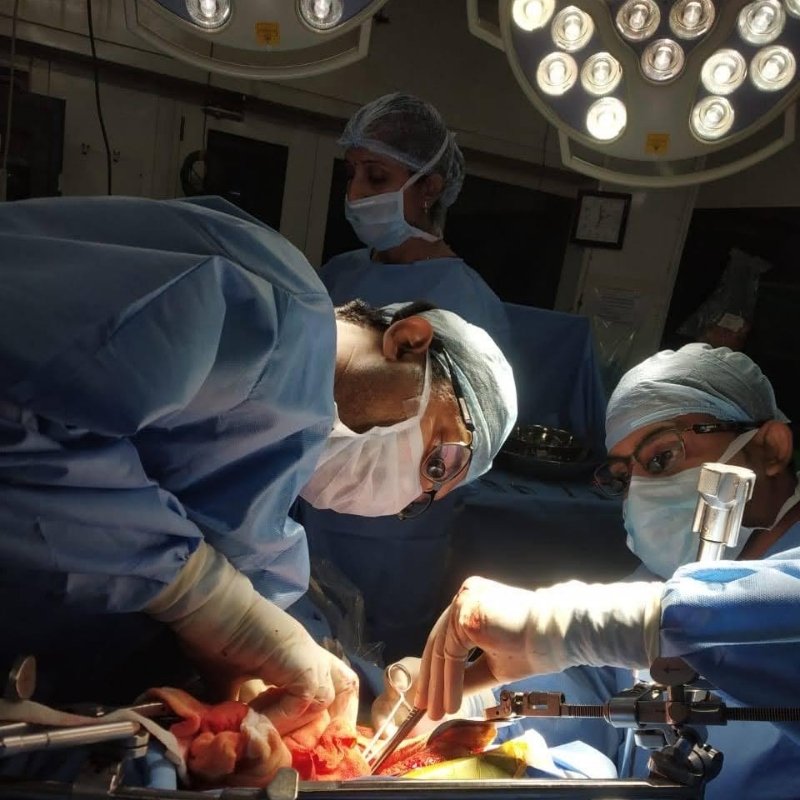
Surgery for resectable hilar cholangiocarcinoma often involves removing the affected bile duct along with the portion of the liver connected to the involved ducts. The exact operation depends on tumour extent, the anatomy of the bile ducts and blood vessels, and the amount of healthy liver that will remain.

The process generally includes:

  • Tumour Mapping: Using imaging to assess bile duct involvement and nearby structures.
  • Liver Function Assessment: Evaluating liver health and the expected remaining liver volume.
  • Surgical Planning: Determining the extent of bile duct and liver removal required.
  • Tumour Resection: Removing the affected tissue with the aim of achieving clear surgical margins.
  • Bile Duct Reconstruction: Reconnecting the remaining bile drainage pathway to the intestine when required.
  • Postoperative Monitoring: Monitoring liver function, bile drainage and recovery.

Some patients may need preparation before surgery, such as treatment of bile duct obstruction or measures to improve the function of the future liver remnant. These decisions depend on the patient’s condition and the planned procedure.

Why Specialist Hepatobiliary Surgery Matters

Hilar cholangiocarcinoma develops close to major bile ducts and blood vessels that carry blood to and from the liver. This makes surgical planning particularly important, as the tumour may extend into structures needed for normal liver function.

For suitable patients, complete surgical removal offers the possibility of long-term disease control. However, the extent of surgery, the risk of complications and the likelihood of achieving clear margins must be evaluated carefully. When surgery is not feasible, other treatments may help control the disease or relieve bile duct obstruction.

The Journey From Diagnosis to Recovery

Each stage helps establish the extent of the cancer and whether surgery is suitable.

1

Tumour Assessment

Mapping bile duct involvement and cancer extent.

2

Liver Function Evaluation

Assessing liver health and surgical fitness.

3

Surgical Planning

Determining resection & bile duct reconstruction.

4

Surgery & Recovery

Removing the tumour and monitoring liver function.

12+

Years of

Experience

Why Choose Dr. Ankur for Hilar Cholangiocarcinoma Treatment?

Dr. Ankur Vagadiya has specialist training in hepatobiliary surgery and liver transplantation, including experience in major liver resections and surgery for hilar cholangiocarcinoma. His surgical training at PGIMER, Chandigarh, included complex bile duct and liver procedures, followed by super-specialty training at ILBS, New Delhi.

Managing hilar cholangiocarcinoma requires an understanding of bile duct anatomy, vascular involvement and the amount of liver that can safely remain after surgery. His hepatobiliary background supports the assessment of these factors when discussing surgical suitability and possible treatment pathways.

700+ Major Hepatobiliary Surgeries

Experience across complex liver and biliary procedures.

Hilar Cholangiocarcinoma Training

Training in surgery for complex bile duct cancer.

Major Liver Resection Experience

Experience with advanced liver surgical procedures.

Bile Duct Cancer Surgery

Training in surgery for hepatobiliary malignancies.
Liver Transplantation Experience

Background in living and deceased donor transplantation.

Frequently Asked Questions

Hilar cholangiocarcinoma develops near the junction of the right and left hepatic ducts, close to the liver. Distal cholangiocarcinoma occurs farther down the bile duct, nearer to the small intestine. Their locations influence the type of surgery and treatment planning.

A tumour can obstruct bile flow and cause jaundice or other complications. In selected patients, drainage may be considered to manage obstruction or prepare the liver before surgery. It is not necessary for every patient and depends on the clinical situation.

This classification describes how hilar cholangiocarcinoma extends along the bile ducts. It helps clinicians understand the tumour’s anatomical extent, but it is only one part of determining whether surgery is feasible.

Yes. Depending on the case, treatment may include systemic therapy, radiotherapy in selected situations, or procedures to relieve bile duct obstruction. The appropriate plan depends on disease extent, symptoms and overall health.

A surgical margin is the edge of the tissue removed during an operation. Pathology examines these edges to determine whether cancer cells are present. The findings can influence discussions about prognosis and further treatment.

No. For selected patients, treatment may involve removal of the tumour and part of the liver. Transplantation is considered only in specific circumstances under specialised protocols and is not the standard option for every hilar bile duct cancer.

Consult Dr. Ankur Vagadiya for Hilar Cholangiocarcinoma Treatment in Ahmedabad

A diagnosis of hilar cholangiocarcinoma requires detailed assessment of the bile ducts, liver function and the extent of the cancer. A specialist consultation can help clarify whether surgery may be possible and what other treatment options should be considered.

Scroll to Top