
Robotic Surgery for Liver Cancer in Ahmedabad
Understanding Robotic Surgery for Liver Cancer
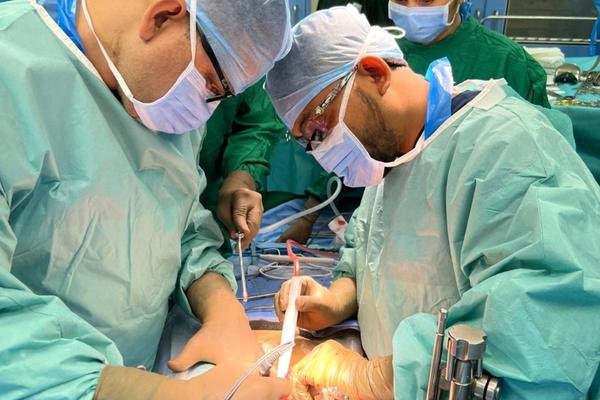
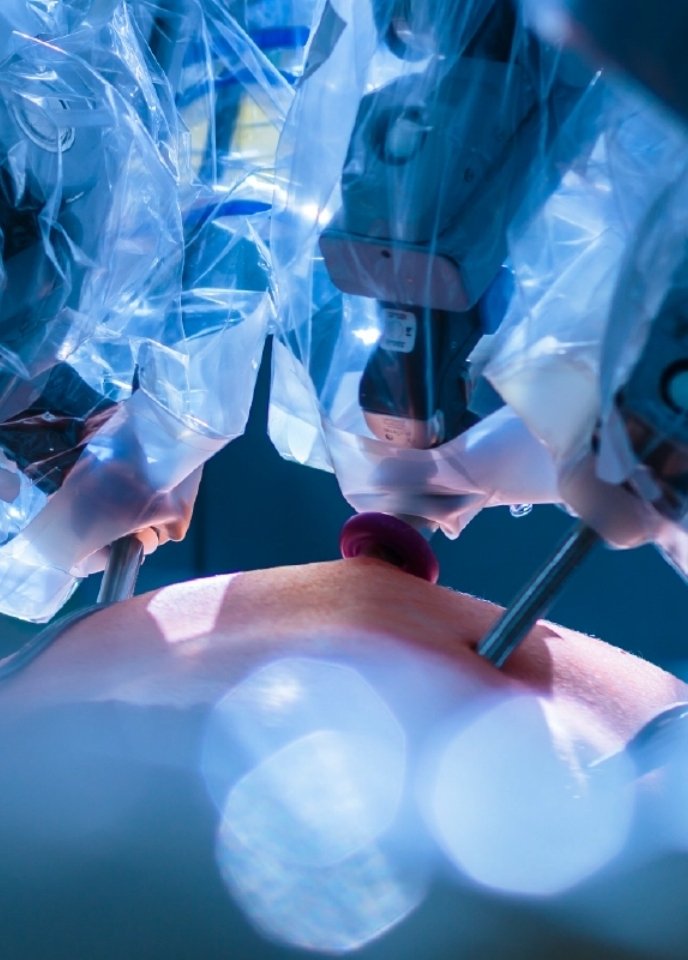
Robotic surgery for liver cancer uses a robotic-assisted surgical system to help the surgeon perform selected procedures through small incisions. The system provides a magnified, three-dimensional view and wristed instruments that support precise movements during complex operations. The surgeon remains in control of the instruments throughout the procedure.
The suitability of Robotic Surgery for Liver Cancer depends on the tumour’s size, location, relationship with major blood vessels and bile ducts, and the condition of the remaining liver. A specialist assessment helps determine whether robotic-assisted liver resection is appropriate or whether open surgery or another treatment may be more suitable.

Tumour Location
Imaging helps determine whether the tumour can be reached safely using a robotic approach.

Liver Function
The health of the liver and the amount of tissue that must remain are assessed before surgery.

Surgical Approach
The team evaluates tumour complexity and anatomy to select an appropriate operative method.
Gujarat’s First Board-Certified (NMC) Hepatobiliary & Liver Transplant Surgeon
Dr. Ankur Vagadiya is a Consultant in Gastro Surgery and Liver Transplantation with 12+ years of experience in hepatobiliary surgery and liver transplantation. His specialist training at the Institute of Liver and Biliary Sciences (ILBS), New Delhi, included major liver resections, complex hepatobiliary procedures and surgery for liver and gallbladder cancers.
His background in liver surgery supports the assessment of patients who may require tumour removal. For each patient, the surgical approach must account for tumour extent, liver function, anatomical complexity and the likelihood of removing the cancer safely. Robotic-assisted surgery should be considered only when it is clinically appropriate and available for the planned procedure.
SIGNS
When Is Robotic Surgery for Liver Cancer Considered?
Robotic-assisted liver surgery may be considered when a liver tumour can be removed surgically and the patient’s anatomy and clinical condition are suitable for a minimally invasive approach. The decision depends on the cancer type, tumour location, extent of resection required and the surgeon’s assessment of procedural safety.

Selected Localised Liver Tumours

Tumours in Surgically Accessible Locations

Selected Hepatocellular Carcinoma
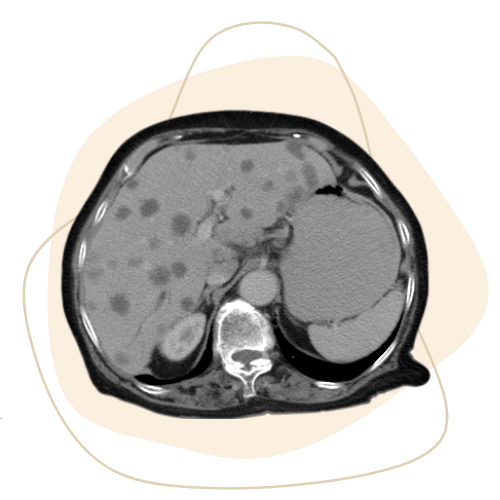
Selected Liver Metastases

Patients With Adequate Remaining Liver Function
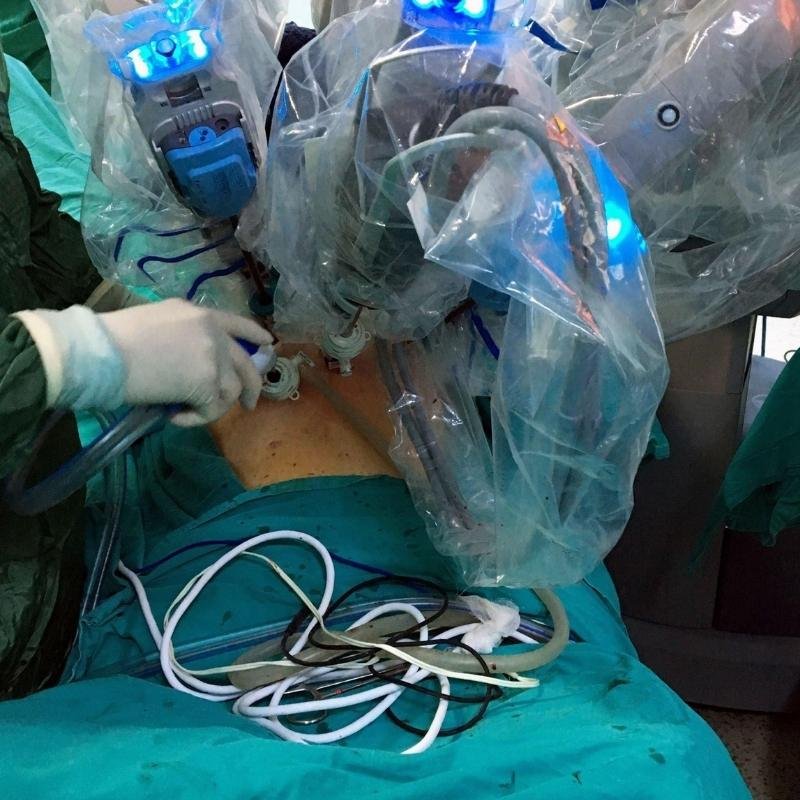
Robotic-assisted liver resection involves removing the part of the liver containing the tumour using instruments controlled by the surgeon from a robotic console. The system assists with visualisation and instrument movement, but the surgeon directs every operative step.
The process generally includes:
- Preoperative Imaging: Mapping the tumour and its relationship with blood vessels and bile ducts.
- Liver Function Assessment: Evaluating liver health and the expected function of the remaining tissue.
- Robotic Surgical Planning: Determining whether the tumour can be removed safely using a robotic approach.
- Robotic-Assisted Resection: Removing the affected liver tissue while aiming for complete tumour clearance.
- Bleeding & Bile Leak Monitoring: Checking for complications associated with liver surgery.
- Postoperative Recovery: Monitoring liver function, pain, wound healing and overall progress.
The final surgical approach may change if the surgeon identifies findings that make robotic surgery unsafe or unsuitable. Conversion to open surgery, when necessary, is a safety decision.
How Robotic Assistance Can Support Liver Surgery
Robotic systems provide magnified three-dimensional visualisation and instruments with a greater range of movement than conventional straight laparoscopic instruments. These features may help the surgeon perform selected liver procedures through smaller incisions.
However, robotic surgery is not automatically safer or more effective for every liver cancer. Outcomes depend on tumour characteristics, the extent of resection, liver function and the surgical team’s experience. Open, laparoscopic and robotic approaches each have a role, and the appropriate method is selected according to the patient’s clinical needs.
The Journey From Assessment to Recovery
Each stage helps determine whether robotic-assisted surgery is appropriate.
1
Tumour Assessment
Defining tumour extent & location via investigations.
2
Liver Function Evaluation
Assessing liver health and remaining functional capacity.
3
Robotic Surgery Planning
Selecting the safest suitable operative approach.
4
SURGERY & Recovery
Removing the tumour and monitoring liver function.
12+
Years of
Experience
Why Choose Dr. Ankur for Robotic Surgery for Liver Cancer?
Dr. Ankur Vagadiya has specialist training in hepatobiliary surgery and liver transplantation, including major liver resections and surgery for hepatobiliary cancers. His background supports the assessment of patients with liver tumours and the planning of procedures according to tumour anatomy and liver function.
Robotic-assisted liver surgery requires careful selection of patients and a clear surgical plan. The decision must consider the possibility of complete tumour removal, preservation of functioning liver tissue and whether a minimally invasive approach is suitable for the specific case.

650+ living donor liver transplants
Extensive experience in living donor transplantation.
Major Liver Resection Experience
Training in surgery for selected liver tumours.

Hepatobiliary Cancer Surgery
Experience in procedures for liver and biliary malignancies.

Liver Transplantation Experience
Background in living and deceased donor transplantation.

Complex Surgical Planning
Experience assessing challenging liver and biliary conditions.
Frequently Asked Questions
Does robotic surgery mean the operation is performed automatically?
No. The surgeon controls the robotic instruments throughout the operation. The system assists with visualisation and instrument movement but does not independently perform the surgery.
Is robotic liver surgery suitable for older patients?
Age alone does not determine suitability. The patient’s general health, heart and lung function, liver condition, cancer stage and ability to tolerate surgery are considered during assessment.
Can robotic surgery be used for liver tumours near major blood vessels?
Some tumours in challenging locations may be considered for surgery, but proximity to major blood vessels can increase complexity. The imaging findings and the surgeon’s assessment determine whether a robotic, laparoscopic or open approach is appropriate.
Will the removed liver tissue be examined after surgery?
Yes. The removed tissue is generally sent for histopathological examination. The report helps confirm the tumour type, surgical margins and other findings that may influence further care.
How soon can patients resume normal activities after robotic liver surgery?
Recovery varies with the extent of resection, overall health and postoperative progress. Patients may resume activities gradually according to the surgical team’s advice; smaller incisions do not eliminate the need for adequate recovery.
Is robotic surgery always better than open liver surgery?
No. Robotic surgery may offer benefits in selected cases, but it is not the best option for every tumour. The priority is complete and safe cancer removal while preserving adequate liver function.
Consult Dr. Ankur Vagadiya for Liver Cancer Surgery in Ahmedabad
If you or a family member has been diagnosed with liver cancer, a specialist evaluation can help determine whether surgical removal is possible and which operative approach may be appropriate.